


 Customer Support


Completion Is Not Compliance
Most Fair Housing risk doesn't come from training gaps. It comes from what happens before new hires are fully ready.
For many teams, compliance risk happens long before training is complete. High turnover in the first 60–90 days means new employees may interact with residents before fully understanding Fair Housing requirements. This can lead to:
- Inconsistent interpretation of policies
- Accommodation requests handled incorrectly
- Missing documentation for audits
- Increased exposure to fines, lawsuits, and audit failures
Fair Housing readiness starts before employees ever interact with residents and before risk enters your portfolio.
See Where Risk Is Entering Your Portfolio

This 2-minute assessment shows where your onboarding process may be exposing your portfolio:
- Fair Housing onboarding for new hires
- Consistency across properties
- Documentation and audit readiness
- Training visibility for managers and leadership
At the end of the quiz you'll receive your Fair Housing Risk Assessment Score and recommendations to strengthen your onboarding process.
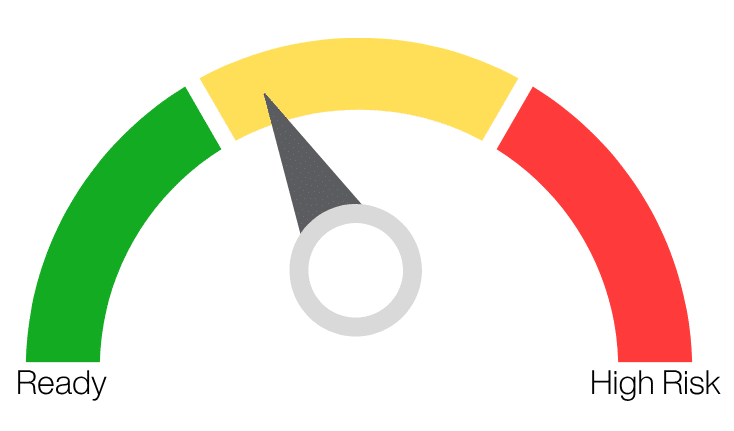
What Your Results Will Reveal
After completing the assessment, you'll learn:
- Whether your onboarding process protects actually protects you or creates risk
- Where compliance gaps are most likely to occur
- What’s driving inconsistency across properties
- What leading operators do to reduce Fair Housing risk
Why This Matters Now
Risk does not show up once a year. It shows up every day your team interacts with residents.
The reality is, most violations do not happen because teams ignore training. They happen because employees are still learning when it matters most. That is why forward-thinking operators are shifting from annual training to structured onboarding. This ensures employees understand policies before they ever engage with residents and creates the documentation needed to protect the organization.
And the stakes are rising. The U.S. Department of Housing and Urban Development (HUD) has increased civil penalties for 2025, with first violations now exceeding $26,000 and repeat violations surpassing $130,000. When you add legal fees, operational disruption, and reputational damage, the cost of getting this wrong continues to grow.