


 Customer Support


ON-DEMAND WEBINAR
Leadership Lessons:
Key Insights with Multifamily Executives
Whether you're a seasoned professional or an emerging leader, this on-demand webinar offers valuable lessons and inspiration from one of the industry's top leaders. Don't miss this opportunity to gain actionable insights and connect with peers.
In this session, you'll learn:
- Emily Watson's leadership principles and practices.
- Strategies for fostering a high-performing team.
- Insights on operational excellence in the residential sector.
- Navigating challenges and driving innovation.
Hello, everyone. We are just going to wait a few moments before we start so that everyone has an opportunity to join. So say hello in the chat, if you will. We've got someone monitoring that chat for us. Hello, and welcome to today's webinar, leadership lessons, key insights with multifamily executives. This webinar is part one in a two part series. My name is Krisann Gaiko, and I am the Senior VP of Content Strategy at Grace Hill. And I have been proudly serving the apartment industry for my whole entire adult life, and that's too many years to even talk about. So much has changed in property management over the years, but one thing remains. Great companies are the result of great people, and that starts with leadership. So before we get started today, I just wanna have a few housekeeping items. Today's webinar is being recorded and will be shared with all registered attendees later on this week. And as an attendee, you will be in listen mode only. This is just to help with outside noise and disruption so that everyone can hear today and can hear the presentation without interruption. So if you have any questions or would like to engage with our guest speaker, just drop something in the q and a located on your screen. So now for the good stuff, I am so excited to formally introduce today's speaker. Emily Watson is the Chief Operating Officer at Lantower Residential, where she oversees portfolio management, accounting, organizational development, property management, and company operations. Prior to joining Lantower, Emily was the managing director for Berkshire Shore Residential, overseeing more than twenty one thousand units in twenty major markets throughout the United States. She also has held senior roles at Equity Residential, McDowell Properties, and Buckingham Companies. Emily attended the University of North Texas and holds a Bachelor's of Business Administration degree. She is a certified property manager through the Institute of Real Estate Management, a certified commercial investment member, and she is a member of the Urban Land Institute. Welcome, Emily. Thank you for joining us today. Thanks for having me. It's great to be here. Yes. I am so excited about this. We are just going to dive right in. Emily has been a leader in the industry for a number of years, and and I've known Emily for quite some time. And I know that our CEO is friends with Emily and has so much respect, for her. So, Emily, thank you. I wanna talk about your definition of leadership and and sort of how that is today and how's it changed over time. Great question. I don't know if it's actually changed over time. I think you really that's exciting and we try to write all these books about it and so forth. It really just comes down to having a very clear vision, being able to discern what levers needs to be, put out there and being able to have constant feedback to your folks to let them know how they're doing, good, bad, the ugly. You know, they kind of need that, And I don't know if that's ever changed. You know, I do think there's a lot more distractions now than ever before, you know, from for our children that are, you know, watching, things on their iPhones at the ripe age of three. You know, those things have changed. So but really being able to not address every barking dog and kind of help people focus on what is important, that hasn't changed, but it's probably became more and more important as we continue to get more and more kind of things at us with social media or, you know, love notes from our residents, you know, those types of the ability to communicate with us. So being able to keep people focused on what's most important and what drives our business and self care is, really, really important. Celebrating wins, celebrating near misses, praise, praise, praise, but also giving them that kind of feedback in the moment is how I managed twenty plus years ago, and really kind of how I lead today. So Yeah. I think, I love what you said about not every barking dog. I worked on the operation side. I worked on-site for ten years, and I I see what you're saying. You kind of will, like, hear that squeaky wheel or it the the one bad thing that's happening at your property or your portfolio can kind of drag you down. And I know today that, there seems to be quite a shortage of people to run our properties, and I'm sure that that can get the the teams down in the dumps at times. How do you motivate and inspire the teams to achieve their best, maybe when things like that are happening and and they're seeing all the bad things coming in and and not being able to see the good? Right. Another great question. There are, you know, very clear expectations upfront, first of all. A baseline expectation is that as they join the company, they need to know how do they win in their particular role. Where's there should never be a surprise on how they meet bonus or how they get to the next level in very clear paths on what that looks like. But that's a baseline expectation, really. The motivation and the inspiration is really how we talk to our teams, how we, interact with them, how we cheer them on. You know, every every person in our organization has a performance workbook that that's kind of all lined out. But really talking to them on one on ones, I call them not having mayor visits, you know, having the regional manager have very intentional conversations with the associates. How are you doing? How are you progressing? Everyone in our company has an individual development plan that helps them in the role that they have currently or the role that they aspire to be. So I think having that individual interaction that's really pointed to what pulls their heartstrings, what drives their passion is super critical. Getting them plugged in to anything in the organization that they feel like that they can add value, that they have a a passion for. So we have, councils that we you know, DEIB, if that's really passionate for them, living to giving, which is our charity, policies and procedures, which, for the life of me, that would be like, oh, you know, God love you guys for having that, but that would not be the one that I would sign up for. But the point is to have a bunch of different things that people can plug into the engagement council. When they see that their feedback is being used to help us navigate the company and the organization, you know, that's where the motivation really rises. That's where we see the inspiration, and then we see new people that come in and watch those folks that are giving their feedback. And we're usually using the feedback, in really purposeful ways that just kind of has its has a a ripple effect. We we preach. We it's not important enough to beat the competition. We have to beat the snot out of the competition. I love it. Yeah. And we have snot talk that we talk about how are we comparing, and sometimes we win and sometimes we don't when we kind of evaluate that. But we know that we will never beat the competition if it's up to the home office to make all of those decisions, that we have to hear from every person sitting in the seat. What do they see from their vantage point? How can they contribute? You know, what is it what does it work? kind of challenge the authority. So it's really, it's not just a, oh, it's a nice thing to hear, but it's a it it's critical for the success collective success that we hear people's feedback and that we use it. So really and and sharing back how we've used that. And if we can't use it, why we're not using it? And maybe it's the time. Maybe they we've just missed a piece of, information to communicate with them. I love that. You you mentioned policies and and having putting teams together. Of course, policies are near and dear to my heart. That would be the group that I would choose to be involved in. But I've seen that in action when you bring those teams in, and and they we help them work through the policies, and it was a labor of love for them. They worked as a team together. I've seen teams, you know, disagree with each other during these meetings and have to work through that. And, you know, I love the idea that you're talking about having multiple venues for your teams to get involved and collaborate. But we know what happens when you bring all these different people together into a group to collaborate. Disagreements can happen. So how do you approach conflict resolution and maintain maintain team cohesion when something like this happens? Yeah. Not just policies, anything. Right? Yeah. Anything. Yeah. It's a passionate game. Right? If you love what you're doing and, it can get passionate. I think import we we have a leadership series, but we do train our folks that, there's a normal evolution that you'll go through. And it's not just teams. It's any relationship that you form. You know, you you get together, you join the company, or you you start dating somebody and then you storm. Like, you've had your first big fight and then what happens? Right? And it's just part of natural. You're going to disagree. If you care, then you're going to disagree. And then you figure it out. You talk it out. You you know, then you norm, and then you perform at a much higher level than when you don't get it said. Right? So, one of my very first managers in this business, I was leasing apartments at North Texas said, honey, if you can't say it nice, just get it said. He's like so probably the worst advice to a twenty one year old ever because I kind of missed that first part. But we we really talk about how it's important to collaborate, that we're not going to get it right if we don't have that healthy debate. Now that goes with saying that if you have a jerk in your midst, you know, and they can't keep from stepping over the line and berating or whatever, get rid of them. Like, that's not how healthy debate happens. But having a normal conversation of, you know, this is what I'm seeing. This is how I'm feeling. Well, what about that? The more we have those discussions and the more you mess up, the more when you've rolled out something half baked, then those conversations get real. Right? Those those conversations for the for the health of the organization, they're going to get it said next time. They're going to come back and say, now we going to think through that. What's the workflow? What are we doing this? And you know and you see people kind of eye rolling like, oh, she's asking another question or, oh, can we just, you know, put this to bed, tie a knot in it? That happens, and it's okay. So praising them when it happens, when they're that debate is in full escalation mode to say, this is good. This is great dialogue. Keep going. Keep going. And, you know, and then applauding everybody when they have, helped us kind of think through ahead of time before we rolled out something that was really made it a lot harder for our on-site folks specifically, because we didn't have those healthy debates. You know? We didn't have those discussions. So, it's it's not as hard as it sounds. It's I think some people weren't brought up for that way or maybe they thought it was disrespectful or the hierarchy. But when when you have folks in the room that are challenging leaders and the leaders are going, hey. Great point. And the leaders have to, myself included, have to be really open to the feedback and share in the moment to say, you know, because I'm really like, oh, yes. That's what we're going to do. That's great idea. And then somebody might be shut down because I said that, or somebody else might say, well, actually, what about this assistance? And I'm like, yes. That we need to take that into consideration. And the more they see that modeled by every leader in the organization and every seat, they're going to be more open to to providing feedback. Yeah. I love that. And I do think that I like talking about fostering respect. One of the things that we have here in our culture at Grace Hill is the yes and. So when someone has an idea, we might not pooh pooh it. Right? We want to be respectful that all ideas are great ideas when you're in a situation when you're trying to brainstorm and solve a problem. So the yes and is really good. The other thing that I love too after, when you've got a disagreement or you had something that didn't go well is just to sit down. And in fact, I just did this yesterday. I said, how could we have done that better? How could we have served you better? You know, it was internal. But it's I think it's important to own your mistakes and to also realize as a leader that, you know, I'm not always the smartest person in the room. I don't think that. And we hire people and bring them on because they are smart and we wanna hear what they have to say. So I love your your process for that and your, openness and, you know, knowing that you do wanna hear from everyone. Let's talk a little bit now. Let's move on to how do you stay current? There's so much going on. There's so much coming at us all the time. I almost hate to even open social media these days because it's just there's so much of it. But and I struggle with this too. Right? I wanna stay on top of everything. How do you stay on top of trends? And also, how do you continue your own professional development? Great question. Because it it should never stop regardless of whatever position you hold. There's, why I'm addicted to this res the to this industry is, you know, there are still things that I learn. I do start my day with reading, the Wall Street Journal, Bloomberg, you know, kind of the highlight New York Times. I follow very kind of key people that I can get really great data kind of in little bitty chunks and kind of I'm off to the races. So I spent about an hour doing that. You know, Carl Whitaker and Jay Parsons and CRE analyst, Peter Lineman, you know, kind of all of those things that are very industry specific and kind of tailored to my role. So I start every day doing that. It's kind of my coffee time, if you will. I am not good at reaching out to people. So I had to make it a point to get it on a calendar that once a quarter, I am having lunch with somebody in the industry, an industry leader, whether it's, you know, a president of a company or an asset manager or somebody that gives me kind of perspective on, hey. This is what I'm going through. What are you not going through? I still have my my COVID group of folks that I'll, you know, are text and say, hey. You know, what are you what are you guys paying on this, or what are you seeing on this trend? So that kind of helps me. But one thing I no matter if I don't know them, they are still willing to help. Like, everybody in this industry is just so willing to kind of make time for you. So it was last year when my role took on some additional responsibility that I had never done before. Before. And I picked up the phone to call another COO at a at a company that I really respect and felt like that he had a really great perspective on kind of slash CEO role and CEO role. He didn't hesitate at all to have lunch with me, and I walked away with some great do's and don'ts and kind of from his life lessons and, also his executive coach, you know, a referral. And, I would just encourage anybody to don't don't be afraid even if you don't know them. But, you know, write down your top five companies that you admire and who runs those companies and say, you know what? I would love to come on by and have a cup of coffee or lunch and, you know, just kind of pick your brain. Nine times out of ten, they are not going to say no. So I wouldn't. So, you know, I would encourage people that to that's how you really kind of stretch your perspective, you know, besides the easy scroll up and read, you know, on LinkedIn, but really kind of stretch yourself to put yourself out there and learn maybe it's something a little deeper on leadership. Yeah. And you might just find yourself a mentor too, which I think is is really important. I think everyone should have a mentor. So if you don't have one, find one. It is a great industry as we all know, and I feel the same way. I feel like it's almost a a big family, if you will. And I know I've heard other people from the industry say the same thing. So it's a great place to be, multifamily. Let's talk a little bit about failure. I mean, no one likes to fail, but we all do, both personally and with your team. You know, what what lessons have you learned? How did you handle that and and move past it? How how do you handle failure? Hard. Nobody likes it. I'm super competitive. Why we have snot talk. So why you know, when when we do it, I I do take it, you know, I always wanna know what was my role in it. You know, how could I have done better? But with with that said, I for myself, for my child, for, you know, anybody in my kind of sphere of influence, you got twenty four hours. You have twenty four hours to pout, to salt, to kick the dirt, whatever, and then you get back up and you get back to it and you move on. And that doesn't go just for failure. That also goes for when you win. You know, you got 24 hours to gloat in that as well, and then it's back to work. So I think it's important. You've got to allow yourself some like, oh, man. I really blew it. And, you know, if that's really bringing you down, okay, give yourself some room and then, you know, knock that off and and figure out how to get better next time. And if it's your fault and I and I'll so last year when the when the world kind of started moderating, I think my team said, you know what? We're starting to see concessions in the market. We've got to do concessions. And the way I responded to that was very emphatic. It was very my my tone was like, we are not doing concessions. We are a net effective shop. Right? And they were like, oh, okay. We're not going to do concessions. Well, you know what? They had it right, and I had it wrong. And somebody on my team that was very is you know, has worked with me for a long time, she said, you know, you have to remember that your whispers are screens. And when you have a tone with a pointed finger, those are dragons. Like, you know? So if you want feedback, you know, don't do that. Just like Yeah. And I was super grateful because I put that in the column for the team. You know? It was they tried to tell me, and and I had it wrong. So that was my failure on a several different levels because not only did we not win the quarter, you know, it wasn't great leadership. So I, you know, I apologize and said, you know, I own this one. Like, that that one is on me. And, you know, if call me out on it. If I do it again, I'm going to try really hard not to, but, you know and also I'd wanna hear, like, data, you know, well across the street. This is what we're seeing, you know, and kind of go, I know I know you think that, but maybe maybe you should reconsider. So I think it's important to own your failure openly, publicly, you know, and I think it's important to give the credit where it was due on call you know, somebody that had the courage to call me out, because I want other people to do that as well. I want it to be just not like, hey. We just only call out people that work for us, but peer to peer is so much more, impactful for the entire organization. So, yeah, I don't I don't handle, failure fabulously, because I don't like it. But, yeah, I'd we always try to figure out what happened, what what went wrong, and sometimes it's you. So I love what you said about owning it too. I think that's really important as a leader. You know, I just think that and also understanding I love what you said about being, conducting yourself in a way where people aren't afraid to point things out to you. As, in my leadership roles, I have said over and over, I don't want to have someone who is reporting to me who's just going to tell me what I wanna hear. That doesn't help me. So go ahead and say it. But you've got to be the type of person that invites that because if you're too scary, you know, your dragon finger or whatever you call, You know, we people won't do that. So I think it's great that that you're able to do that. Right. Yeah. Someone that just only gives me positive feedback, that didn't that didn't develop trust with me. Right. Tells me that, you know, they're going to be a yes person and, you know, not give me the feedback. And and I've Donna Summers at Gables will tells the story. When she does performance reviews, she still thinks of me. And, because when I was, you know, the ripe old age of twenty one, I basically said, you know, no. I need I need more self like, you have to tell me how I can get better. And she was just like, okay. Like so it's kind of stuck with her too, because, you know, if I was twenty one, she was probably twenty three. You know, so it's always been important to for for me to give my boss the permission to give me critical feedback. But, I always feel like, oh gosh. Now it's it's harder to give critical feedback to people, than it is to say, yeah. You're doing fine. You know? Thumbs up. High fives all around. Like but that just doesn't do much. Oh, no. You're exactly right. And people wanna hear. Like, I don't I don't want my supervisor to just tell me all the good things because, again, it's it kind of goes both ways. Right? If if my boss never tells me how I can do better or when I did something wrong, that's not helping me either. So, you know, it's a two way street. So true. Let's talk a little bit about new leaders. And he so set let's think about somebody who's maybe been a great community manager, and they've now been put into this role of regional manager. That's sort of the next regional director. I mean, lots of different names, but that's sort of the next step up. Right? And, you know, that can be a big change going from one community to a whole portfolio. How what what advice would you give to those new leaders about building and maintaining trust with their team members? These are all now new people that they're they're supporting, and now they've got owners to deal with and asset managers and corporate office people. You know, what what sort of advice would you give them? I love new leaders. I mean, you know, everybody remembers the first time that they led a team. First of all, give yourself some grace. Like, it you're you're not going to get it right, but the more authentic and the more genuine you can't fake feeling, you know, truly caring for your employees. You just you either have it or you don't. And and, hopefully, you've got to your position because you genuinely care. And sometimes I see new leaders either being so stringent, like, you know, they don't want to they wanna show the world that they have what it takes and they wanna make a difference, and they're so kind of rigid that they don't let that human factor, give themselves some, authenticity. You know? It's okay to have a little bit of humor. It's not okay to be, you know, inappropriate and so so casual that, you know, people will miss your story, but show your authentic care for yourself. If you start out of the gate coaching your folks, then it's not weird. Right? And I tell people, like, I lead like I parent. If you're running with scissors, I'm going to tell you where you're going with those scissors. Hand them over. Let's talk about them because you're going to hurt yourself. Right? So when you really care about people, you're giving them that feedback, but you're not going to get it right. Sometimes it's not in the moment. Sometimes you do miss the opportunity because you're nervous or whatever. Give yourself some grace and then circle back and say, hey. I was reflecting about x y z and and address it. But it's really it's really important to give, you know and particularly, that regional manager role is still my favorite role that I've ever had. And I think because you had the ability to have those touch points where you could give more direct feedback in the moment, so you had some emotional deposit. You had more opportunities for emotional deposit. So when you did need to take an emotional withdrawal that it didn't, you know, bankrupt their their bank account. But I would say, you know, in taking their ideas and putting them into the best practices across the portfolio, you know, saying I was I was on this property and I saw this. I thought it was a fabulous idea. Always, always, always praise in public and reprimand in private. Like, that is an an absolute now you can address things in a in a in a collegiate kind of way in front of people to say, you know, so people know that it's maybe not, but never reprimand in front of a group. So, yeah. And I think it's important for our new leaders to know that if we don't train the next generation into this industry, we are really doing them an injustice. So and if you have somebody on your team that is not doing a good job, it's your responsibility to care for that person and either train them up or help them go somewhere to be successful. Because when you are where you're supposed to be, you are good at it. So, and and it's our job to make them good at it. So that's It sure is. And, you know, I think I think about that makes me think about training up the industry and just how important it is to train these new leaders for the industry as a whole. I mean, when you watch the news today, multifamily is taking a beating. I mean, landlords are taking a beating. So it's it's paramount that those teams that are working on-site interacting with the the residents on a day to day basis are really providing a really great experience for their residents. And so you've got to have great leaders in order for them to be able to do that. So really important. Let's talk about some of the challenges that are going on today, in the world of multifamily. What do you think are the biggest challenges that are facing multifamily leaders today? I think it's such a charged environment now. You know, I think with our residents, some of our associates, I think we the more candor we have, the more offended they get or they get offended that we did offer them coaching or enforcing the rules. They don't wanna work on a Saturday or they don't wanna take call and you know? I think that it's it's really become, really people are are so timid to be able to not rock the boat. And part of that is because of the kind of charged environment, but the other is we're building so many so much new supply is coming in at a much more rapid rate than we're able to bring talent into the pool. Right? So Right. It's you don't wanna we don't wanna rock the boat and lose somebody. But at the same time, you know, we talk about and what surprised me, but not not increasing the size of home plate. You know, in a baseball diamond, the home plate is seventeen inches, whether it's Little League or it is Babe Ruth House. Right? Mhmm. And you don't wanna lower your standards to be able to, you know, handle the residents or to the investors or what have you. But our president of property management, said, yeah. But we all they also start at Teeball. Right? So Yeah. And it's true. We don't expect the little league guy to get up there and slug a a home run-in in the beginning. So creating those bumper rails to where they can come in and be successful pretty right off the bat, have some wins is incumbent on our industry to figure out what those bumper rails are. Right? And and for us, it was centralization. It was like, how can we how can we take some of that, pressure off of the on-site teams and put it kind of back of the office and and put it in another location that allowed them to just focus just focus on the customer, just focus on each other. Because that's that it's easy to be a great leader when everything's, you know, going right. Not the resident you know, the phone's ringing and the residents are screaming and the associates need something and you're past due and you're you know, that's the time that you wanna change the passwords on every freaking thing and you can't log in to what you're supposed to do. Right? That's that's when it's really difficult to just breathe and be your best self. And we talk about, like, if you can't get yourself straight, you're not getting this straight. So you have to get your mindset in a place that you can really be focused and be intentional in the moment, and that's so much harder. Like, it it's easy to say and and really difficult to do in a climate charged environment, that we're kind of running around with with our hair caught on fire. But I think we've always said that. Right? I mean, when the fax machine was going, we're like, oh my gosh. This thing won't stop. Right? When you would come in and the the fax machine would have the paper and the floor. And now I'm dating myself. We I don't know what a fax machine is. That's right. I mean, I've heard of it. Who do I know? We've heard of it. Yeah. No. It is. It's always something. And and I really think the the advent of social media and just the way you know, how things come at us so quickly is just kind of fuels all that. Oh, somebody in the chat's laughing about the the fax machine. Somebody remembers the fax machine. No. There's a lot. I mean, I talked to a friend of mine the other day who just onboarded with a new company, and she was talking about all of the software platforms that she had to learn. And it's so much, because everything's driven by technology. So, you know, we depend on it, but then it's also sometimes it's the bane of our existence because so I like the idea. I I love the idea of centralization, taking some of those things off of the teams so that they really can just focus on the customer experience, and and helping the residents to have a a great place to live because that's really ultimately what we're supposed to be doing, you know, to to achieve the highest rents and and, you know, maintain occupancy and all that. So very important. How about this one? So this is a little, this is a little bit like the question that I just asked you kind of, this is kind of a dovetail into it, but how much of what's going on today and leading teams, do you think how how do you think the pandemic changed things? I mean, I kind of feel like centralization came about because of the pandemic. But, you know, let's let's kind of pull on that thread a little bit. Maybe. I mean, I I don't know if it I mean, some of the companies were doing it long before the pandemic, but it definitely may maybe catapulted the how fast people were doing it or or they it then became, you know, the people were thinking, alright. I could benefit from that. I see and and I think Gen z is probably the best at this. The self care and wellness and life balance, it feels like that was a nice carryover from the pandemic. Mhmm. You know, that we are being little more intentional. You know, some of the feedback that we got, probably during that time and that we implemented was paid parental time off, you know, when you had a baby whether it was the, the dad or the or the mom, like, you know, paid parental time to be with your family. We implemented more, floating holidays. If you needed a wellness day, take a float take one of your floating holidays. So we and we really encourage we increase the amount of paid time off. But you also hear it in more daily conversations, I feel like, that more people are talking about, you know, I'm overstimulated or I'm, you know, feeling anxious, where I don't feel like that that those conversations were as out in the open as they are now, you know, where we can so and and belonging is you know, was really important then, and I'm super like, we added the b to our DEIB, you know, for the sense of belonging so people knew that and it it's not an ESG thing. You know? It's not to check a box on a GRESB thing. It's it's because we if we don't feel like that people can come and be their whole selves and authentic at work, then we have missed the mark. Absolutely. So I think just having people be more cognizant for not just themselves, but for the signs that maybe their teammate could use some, deep breath walk away, you know, kind of those. I think I hope that doesn't go away. I hope that we will always be that. And I think that Gen z kind of gets that, and I think that they're kind of leading us in that. But even even, for myself, earnings earning season is not my favorite season. And it took me a couple of quarters before I figured out, like, hey. I need to stop scheduling so much stuff around earnings because it was making my answers short and, you know, I wasn't being able to really focus on conversations because I was, like, trying to get through them so I could get back to, you know, writing scripts and studying my numbers and all of that. So just being more intentional with our calendars on kind of if you have a big project going on, kind of working through that or not trying to get to, you know, three site visits in one day that you're leaving some time in the middle to answer calls and then some wrap up times at the end or having really meaningful one on ones and starting them out with, hey. How are you? And I'm like, how are you? Not how how are your projects, but are you doing okay? How's life? Are you feeling like you're life balance? So I think that is, I would is it part of the pandemic? I don't know. I but I like it. You know? I Yeah. Hope that we don't forget how important that is. So I like it too. I've always thought it was important. There and you're right. There's a fine line between getting too personal with someone, but I've always been a person who just gets personal anyway. That's how I've led people in the past, but really understanding them as a person and kind of what makes them tick, what's important to them, and really caring for the whole person. Because if you have someone who's working for you, who's going through something personally, you know, maybe their mother has cancer or, you know, they they've had a miscarriage. Who knows? I mean, all of these things, if if you, you know, that's going to impact that person and you need to to, as a leader, understand that and give them grace too, just like we wanna give ourselves grace when we fail and mess up. We wanna give them grace because they're going through something. So I think that's really important as a leader. Well, and a lot of times, we don't know what our benefits are until we need them. So Right. If they have shared that with you, if they've trusted you with that information, you know, they might not know that your company has a employee assistance program or that they have some you know, you could take some qualify for some time off, kind of get them with the right resources. Right. Right. I love that. We there's a there's a question in the in the chat that I wanna bring up. What what would be your advice to someone who is working with a leader who's not doing all these things? And maybe they're not fulfilling the the role all of these wonderful things that you've talked about, that person's not doing it. What would you what would you say to that person? The the person who's reporting to the leader. Sure. It's scary. Right? I mean but I think one of my, least favorite persons that I had reported to, we had a heart to heart, and he became my favorite person that I reported to. Like, I adore him and still a mentor to this day, but it took a hard conversation. I mean and kudos to him for kind of listening to my hour and a half rant of, oh, and here's another thing you do that drives me crazy. So I probably could have handled it a lot better, but I did get it said on this is the situation, this is the behavior, and this is the impact that it has on me. So I think when you can be in a place that you're not so wound up, because eventually the longer that that goes on, you're going to create a bias. So even when that person is trying to to do it right or to but you're so kind of fed up because you haven't gotten that off your chest to so to speak, you're going to see that person through the window that you've created for them in that and put them in a position that they can't win. So, you know, write some talking points down, follow the SBI model, the situate what was the situation, what was their behavior, and what was the impact. And then really talk to them in a very calm and ask them, are you in a place that you can take feedback? Because sometimes they're not. As a leader, if they're overscheduled, overstimulated, you know, they're human too. So and if they're not in a place mentally to have, that kind of conversation or that amount of feedback, and it needs to be in a quiet place, you you don't want people coming in and out, needs to be focused, then they don't have the ability to make it right for you. Because not everybody is going to be, fed in the same way. So they need to know what feeds your passions, what feeds your soul, what brings out the best in you. And that has to be a two way communication. Right? It has to be, this is what I need for you to bring out the best in me, and what can what do you need from me to bring out the best in you? And it's not a, oh, I've had the conversation check mark. It's a relationship. Norm, form or form, storm, norm, perform. So you're sounds like you're in the storming phase or about to enter it, and I would just say it's natural. It's part of the it's part of every relationship. But if we're not able to have those types of relationships with each other, that that's going to affect you in every facet of your life. So having tough conversations is just how fulfilled do you wanna be in life. So, have it. And then I would say if you feel like that you've taken those steps and they're falling on deaf ears, then it's probably time to escalate it to the next layer and see if somebody can help facilitate a conversation, with that leader and you. So I think the the part that you said about being calm and writing things down ahead of time, and then repeat your you said to use the I've done this before, but use different words. The feedback, the the behavior, the feet The situation, the f the SBI model. Sometimes it's SBO for the outcome outcome, but situation, behavior, and, what was the situation, what was their behavior, and what was the impact that it had on you? Yeah. I actually did at NMHC at the women's event, the one this past January. Mhmm. We they had a speaker, and we we did that. We we talked about when then we got to groups and we practice. And and I've done that before, but sometimes you forget. I mean, it's a it is a really effective way to do things, and I actually use that in my personal life too. I use it with my husband if he if he does something. And it's it's just such a good way to to give feedback and also to be able to own your own feelings. Like, when you do this, it makes me feel like this. Right. You can't argue with someone else's feelings. Right. Yeah. It's a good I think you're to talk in perceptions too. I'm perceived, you know, as opposed to this. Yeah. Yeah. Yeah. I love that. Oh, here's another question. If you're a regional manager, how would you go about bringing your team together in a familial way when they don't show interest in the things you attempt to do, like getting together on the weekend to have coffee or a fun group activity? Great question. I wouldn't try to get together on their family time. So kind of going back to life balance. So if you have a group of folks that want to, do that, I think that's fun. Allow them to do that, but I wouldn't put pressure on, our daughter's name is Lauren, and I'm so like, you're on Lauren time. So, you know, I had those boundaries that said, you know, I'm this is my family time, and, you're going to get a hundred and ten percent of me during work time, and my family's going to get you know? Otherwise, you're going to be depleted. Yeah. But there's some associates that want that, that need that. That's their belonging. So, if that's something that they do, I think it's important. I would be very careful with the word family. I want it to be a belonging environment, but you don't fire your family members. You know? You don't say, I'm sorry. You've got to continually get an f on your algebra, so you're no longer able to be a part of the family. And that happens here. So I'd be really careful with that terminology. You want it to be a place of belonging and that they're comfortable, to thrive in. But I've always kind of steered away from calling in a true kind of work family, if you will. It's your team. Yeah. Oh, that's good advice. I I I agree with that. And on in terms of getting people together, and I've worked for a lot of companies. Grace Hill does this too, and it's a lot of fun. We do team building events, and we do them during work time. So if you've got the ability to, when I worked on-site, I had an owner who would drive up at it it would maybe be twenty, thirty minutes before closing. But when you're on-site and the owner shows up early and says close the office, I'm, you know, we're going to I'm taking you out for dinner or, you know, so anything like that. It's fun. It's a surprise. And they're not having to give away their personal time because that goes back to we don't really know what's going on in their lives. We don't know what they're having to deal with when they get home. They may have five kids who they have to help homework with do homework and they don't have time to go, have fun after work. So Yeah. I think team building. I think there's something magical about breaking bread together. I think when you're enjoying a meal together or the teams bring a potluck of, you know, what was your comfort food or some kind of thing like that that gets them kind of talking about, I think that's important for sure. I would just try to do it during work hours if you can or a a very scheduled out time that you're going to spend away from the office, you know, or from from their family so they can make arrangements and and an opt out option. Right. I love that. I don't see any more questions. I would encourage you unless I'm missing them. Let's see. Oh, wait. Here is another one. This is a good one. If you have a manager that isn't in the right mindset to receive feedback at that exact moment, what kind of timeline do you keep in mind to go back to that needed conversation and coaching? That's a great question. I guess I would want a little bit of insight as to if you have any idea what's going on. Like, is this a manager that just kind of perpetually is going to kick that can down the road because maybe he or she isn't comfortable having a tough conversation. But at some point, you have to say, how about Thursday at ten? Like, you know, you have to get something on the calendar. And if it's something that just continues to get rescheduled, maybe it is you know, maybe you do make the offer to come in before office hours or to stay at a time or to meet off-site to have that conversation. And that if that just isn't you know, I wouldn't probably let it go on more than a couple of weeks before I would be escalating the conversation. So if if that were going on in my portfolio and somebody was having a really difficult time with that relationship, I would want somebody on the team to be able to help intervene and kind of help bring that to resolution before it bubbles over. Yeah. Because some people are conflict avoidant. And if you've got someone like that, you have to just rip the Band Aid and do it. You know? I don't love I don't think anybody loves conflict, but some people are more geared to want to just get it over with right away. You know, I don't love that. So, I have to force myself to say, okay, this is never going to be okay. You're going to have to do this. So just Yeah. Because otherwise you're letting those folks go to sleep every night with it on their mind. And that's not Yeah. That's no fun either. Jenny just said, I wonder if this is Jenny that my Jenny that I know. I think it is. Excellent session. Thank you. So great to see both of you. So Jenny Copeland. Yeah. We were traders together for Kendall, actually. Oh, that's so you mentioned Donna Summers earlier. So Donna is actually going to be on my next leadership lessons along with Wendy Walker. And Wendy was hired by Donna back in the day, and Donna mentored her. So that's going to be another intimate conversation. I hope everybody liked this format. I'd love to hear your feedback. How what'd you think about no slides? We decided no slides because we wanted it to be just like you're just listening in on mine and Emily's conversation. So so tell us what you thought about that. We and, oh, we got one more question. Oh, it says we should be invited. You are invited. We're going to invite you to the next one. Here's another question for you if we've got a couple of minutes. Everybody loves Emily. Yay. Of course, we do. Land tower NTX, we love Emily. I did like the new slides or the no slides. They like the no slides. Here's one. A question. Do you think the thirty, sixty, ninety model works well for supervisors as a way to check-in with new employees, I e leasing consultants and hang on. I lost the question. Leasing consultants or resident managers? Thirty, sixty, ninety? It depends. How's that for a politician answer? It depends on the associate. So if it's somebody that might be struggling, I wouldn't wanna wait thirty thirty days for that. If it's somebody that isn't comfortable giving feedback just yet, I would want that to be probably, like, in a, an anonymous type of you know, we use Qualtrics. So, you know, some type of an anonymous form that they could get their feedback. It works. We have that as a standard, a thirty, sixteen, ninety, you know, check-in. But I would encourage, you know, if you have the buddy system or the mentor system or, certainly the direct supervisor that if you kind of notice those behavioral traits that that might be difficult for somebody or they might be struggling, that I wouldn't wait until the thirty, sixty, ninety. So yeah. And I would make sure that that information gets shared out in the organization. So a lot of times, they the operations or the property management group kind of works on that all by themselves, forgetting that they have a whole army of people that, is their responsibility, whether it's a computer software folks that maybe we have a setting wrong or it's HR that maybe we're missing a step on onboarding, but there's a lot of people. We kind of talk about those things in our department head meetings, and and I'm always amazed that, like, accounting's interested in it. So there you just never know exactly how, how it's going to affect another department. So don't don't kind of hoard that information. You'll be surprised when you share it out how helpful the organization can assist. That's awesome. We are you're getting lots of kudos, lots of people saying they love this. We will be posting this, and, we'll send you the recording. I'm also going to be taking these webinars and putting them into our library. And then I'll, later on this year, I'm going to work to also turn these into microlearning as well. I always hear everybody wants micro micro, so that's the way we're moving. Everything's got to be short, quick, right, like TikTok or whatever. We've go to move fast. And I did hear they liked the dose slides, and we were engaged. That's great. Happy to hear it. And, Emily is awesome. I'd love a part two. I'm game if you are Emily. I you know, Emily's busy. She's a busy gal. So if she's if she's willing, I'm willing. So I yeah. Kendall and I talked about it. It's like, what do people wanna hear? Like, I just think it's like like, you know, this is just what we do and it's not anything new, but I'm always available. If anybody I'm yes. We're all busy, but it this is my passion. So if anybody has a question or a follow-up, you're welcome to contact me directly. Yeah. Me too. Make sure you link in with me too. I always love to stay connected to the industry, to our customers. And, again, this is the only industry that I've ever worked in my whole besides from waiting tables and selling makeup when I was in college, this is the only business that I've ever been in. I have no intention of leaving. And I think it's a wonderful industry. So and I know Emily feels the same. So Hello. You for joining and we don't have any more questions, so we'll go ahead and wrap it up. And, again, watch for the next one with Donna and Wendy. And if you guys like this, we'll keep doing leadership lessons. Again, we know there's demand for Emily, so we'll we'll try to make that happen for you. Alright. Thank you, guys. Everyone. Bye bye. Bye.
Our Speakers
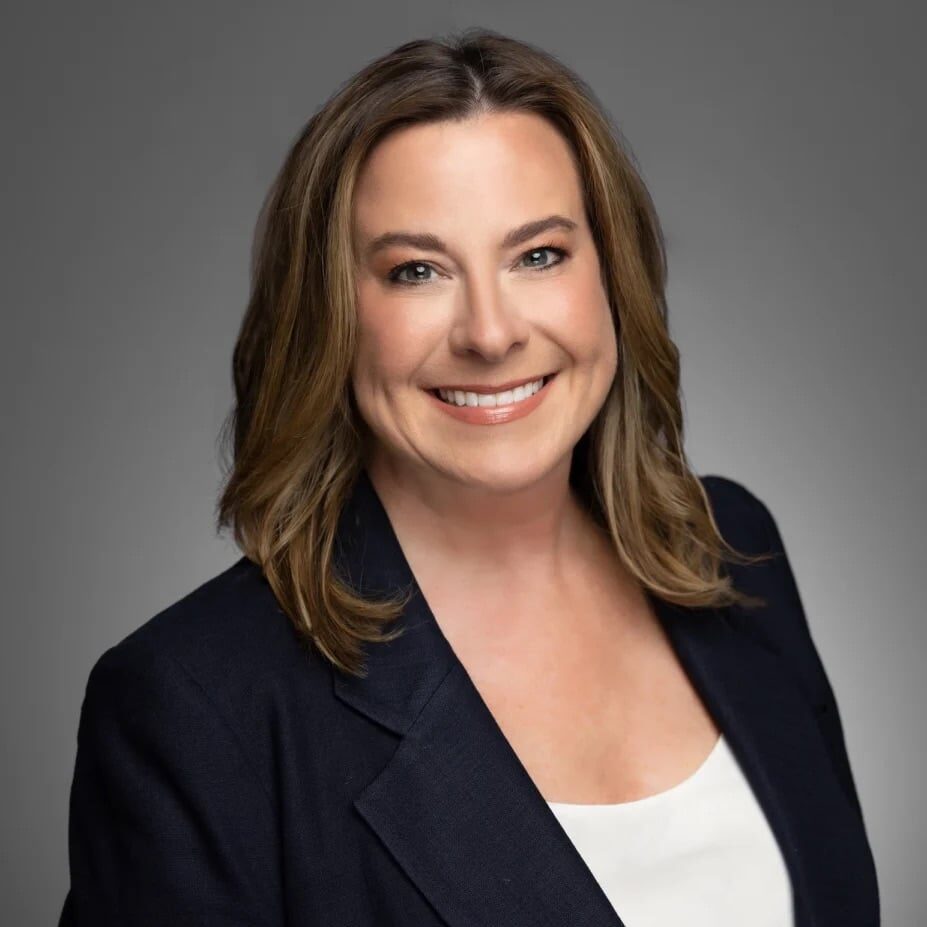

Emily Watson
Chief Operating Officer | Lantower Residential
Emily Watson serves as Chief Operating Officer at Lantower Residential, where she oversees portfolio management, accounting, organizational development, property management, and company operations.
Prior to joining Lantower Residential, Emily was Managing Director for Berkshire Residential, overseeing over 21,000 units in 20 major markets throughout the United States. She also has held senior roles at Equity Residential, McDowell Properties, and Buckingham Companies.
Emily attended the University of North Texas and holds a Bachelor of Business Administration degree. She is a Certified Property Manager through the Institute of Real Estate Management, a Certified Commercial Investment Member (CCIM), and a member of the Urban Land Institute (ULI).
Krisann Gaiko
Senior VP of Content Strategy | Grace Hill
Krisann Gaiko is Grace Hill’s Senior Vice President of Content Strategy. She joined the team in 2018 as Senior Director of Account Management after Grace Hill acquired The Strategic Solution, where she had worked for over 15 years. Krisann has spent her entire career in multifamily, working in various onsite and training roles prior to moving to the supplier partner side.
Krisann is passionate about helping people and consistently ensures that the Grace Hill teams are empowered to serve customers through a consultative approach to employee and property performance. Krisann has a Bachelor of Arts from Texas Tech University. In her free time, she enjoys spending time with her husband, three kids, and two fur babies. To relax, she likes to play the piano and decompress with yoga.