


 Customer Support


Learn more about “The Move-In Effect” to uncover how the first "hello" directly impacts a resident’s likelihood to renew later. This session dives into the psychology of first impressions and reveals pivotal data demonstrating how move-in satisfaction equates to long-term resident loyalty. If you're ready to decrease turnover, increase satisfaction, and create communities residents are proud to call home, this is your blueprint for success!
Learning Objectives
- Analyze real-world data linking move-in satisfaction with long-term resident retention, equipping attendees with insights for strategic planning.
- Define and execute a seamless and, dare we say, delightful move-in.
- Formulate a personalized action plan to improve onsite team efficiency and reduce turnover.
Better. I Yes. Switch to a microphone. Hello, everyone. I'm going to give you just a few moments to join. We have a packed house today. I am so thrilled that you all are taking an hour out of your day to join myself and our special guest speakers. So go ahead, grab something to drink, kick your feet up, and get ready for some fun. I will say Grace Hill really brings it with the webinars. There's you have such an audience of raving fans. Thank you. I will send your check-in the mail. I appreciate that. Okay. I'm so excited about today's webinar. Of course. It'll re be recorded. Ashley, how are you? Absolutely. And we will be sending that out to all registered attendees later this week. But we still want you to be here for the live fun. But if you do need to step away or you miss a moment or you want to share it with a friend, you will definitely be able to do that. Hi, Paul Bergeron. Mhmm. Hi, April. Oh, you got a fan in the house. Paul, such a supporter. Always in the front row even if it's the virtual front row. Always asking all the questions, which we love. It's so important. I am so notorious every time I'm on stage during a session, and I've done this at my regional ones and aim multiple times. I always talk so fast that I'm done, like, ten minutes early. And then we just have ten minutes. And so I always have to have some audience plans. Yes. And really FOMO right now because Paul says he's still at the Hyatt in Honeywell Beach. Are you though, Paul, or are you mentally there? I was going to say because I don't think he's physically there. Let's just say we're all mentally there. Oh, absolutely. Always. Always. And what a great time for us to be starting this webinar. For you all joining us today that may not know, myself and our guest speakers were in Huntington Beach, California last week for the notorious AIM conference. And so we're coming back off of a conference high with so much information and energy, and we're really thrilled to share that with you today. And without further ado, if you ladies are ready, I am ready to roll. I'm always ready. Well, welcome so welcome everyone to today's webinar, move-in effect, how the hello impacts the I'll stay longer. My name is Stephanie Anderson. I am the senior director of communications and social media right here at Grace Hill. I am so thrilled for today's conversation because we all know that our residents are what our reason and purpose is for everything that we do in the industry. And so we want to talk about how are we not only going to get them to move-in, we're going to get them happy and ready for an exciting year ahead and hopefully multiple years as they will renew their leases. So what are we going to be doing today? Well, our agenda is right there on the screen for you, but you're going to have a lot of takeaways. We're going to dig deep into a few strategies, and we're really going to talk about some of the data behind all of the strategies as well. So I hope you have your pen, pencil, or electronic device ready so that we can take some great notes. I would love to turn it over to Sydney Weber to introduce herself. Thanks, Stephanie. I always love working on projects with you because you bring all the juicy data. And I have to, like, try to I'm such I'm so terrible with numbers. I have, like, try to remember it so I can just drop them in conversation and sound really cool. Hi, everyone. My name is Sydney Weber. I have been in multifamily for ten years now. I started as a leasing agent because I didn't know what I want to do with my life, and I just walked into my apartment trying to get free rent out of them. And here I am. I've, worked on the operator side for a lot of years. It's leasing and marketing. And now the last few years, I've been over on the vendor side. I ran, some marketing at Knock. I work on marketing at Updater now. I work with the revised team. So I have my little tentacles in everywhere. So, I'm really excited to be here with you all today, and I'd like to pass it over to a dear friend of mine and fellow redhead, Devin Lusk. You gotta have the redhead power. Right? Yeah. I mean, I'm being on calls with you. So, like, your energy, it's awesome. Like, it makes me really get motivated. So for those of you guys who don't know me, I am Devin Lusk. I am the director of marketing for American Landmark. We are, in the Sunbelt primarily, but we have about thirty six thousand units owner operated, so no third party management. And, you know, I've been in the industry for about twenty years, started in leasing, kinda like Sydney, just started. You don't know what you're going to do, let's just start leasing apartments. And then moved my way up to manager, and then one day I got the opportunity to, apply for director of marketing. So listen, don't have to have a degree always to get the job that you want. You just gotta ask for it. So here I am getting to talk with all of you amazing people across our industry. I'm very excited to be here. That's so true. I have a theater degree. Like, you can do anything you want if you just, like, ask for what you want. Yes. And I think we tell our residents too that. Right? Definitely always ask the questions. You never know what the answer may be. I will say I'm feeling a little bit neglected that I don't have red hair, but goals for me. I did have red hair at one point in my life for a very brief time, and, you know, I do think redheads have more fun than blondes. I think so. Yeah. So let's talk about the move-in experience. Sydney, do you want to set us up for this? Yeah. I I want to say when I was on the operator side as both a leasing agent and, marketing director, I always felt like move-ins were kind of a black hole for me. You have, like, this you have such a great process of follow-up. You have everything going on with your lead nurture and closing the deal. We we need so much training on sales. And then once they're a resident, you were engaging with the resident, making sure they renewed. But there was just, like, this moment in time where it was just kinda all manual, and you just here you are. Here are your keys. I hope you brought everything. If not, we're going to sit in the office for two hours and figure it out together. And the stakes are so high in that moment that it was crazy to me that we weren't spending more time, like, really, really focusing on this critical part of the move-in journey. And it wasn't until I started collaborating more with Stephanie at Grace Hill and, obviously, working at Updater that I realized just how critical it was with data. It was always just kind of in my mind. So that's why we want to talk about this today, this, like, niche moment in the entire journey. We spend a lot of time looking at the journey as a whole, and I think it's kinda cool every once in a while to drill down. So that's what we're doing today. And I feel like we just have to talk about a little bit of crazy stories before we get to the good stuff. Right? Absolutely. So we have an amazing picture here that represents a story that didn't happen to me, but did happen to somebody I know. And there's a news article about it, so you know it's true. So, dear friend of mine who's no longer in the industry walked into a unit and found alligators in a container in the bathtub. And for those of you guys who know me, you know, I'm in Florida, so that doesn't really sound so wild. This was in Utah, In the middle of Utah, there are alligators in a tub. Like, I don't even know how that happens. Who do you even call in Utah to come get alligators? This is not Florida or Texas nice. It kinda it kinda reminds me a little bit of, like, the movie The Hangover, and they end up with the is it a tiger? Yeah. The tiger. And they're and it's like I mean, seriously, how how do you remove that? Who do you call? What do you do? How does that even happen? It's I don't even know. I mean, you expect it in Florida, but Utah? Not so much. Most will support alligator. I will say that there are all types of some more support emotional animals out there nowadays, and they don't really have too many restrictions on them there. So never say never. I'm going to see some emotional support snakes on a plane someday then. Right? Oh my god. You know, I actually have a similar funny story, but not quite as fun, but still a little awkward and embarrassing is we did a takeover on a property many, many, many moons ago. And, we were going through old school rent roll and trying to figure out, you know, if the apartments are there. You know, you're going through the rent. You're trying to match things up. You're making sure all the files are cohesive. And as we are walking apartments, we, were walking in to check a what we thought was vacant for a move-in that was happening that day. And as we walked in there, much to our surprise, there was a gentleman standing there in nothing but his underwear. And what do you say to that at that point? Obviously, embarrassment because you've opened a door that you don't belong in necessarily. But what what how do you even what do you do? I I think my face was probably very similar to what you see on the screen here. So it was definitely an awkward moment. I'm sure many of our attendees today can relate to a similar situation that has probably happened with them. I will say it becomes one of those moments that are truly memorable in your career that you will not forget. I mean, I mean, maybe we don't open the door in our underwear generally, like best practices as humans. No matter whether or not you're expecting people to come to your door. Mhmm. Those are some crazy stories. I don't have any, that I can think of off the top of my head. I've had some pretty successful smooth move-ins. I mean, with the exception of, like, a fourth floor walk up, that kinda sucked. But, generally, I had some great move-ins. But, we I as I mentioned earlier, we have a hypothesis, and our hypothesis is that the name of this, the how the hello impacts the all stay longer. So we're we're kind of in a weird time. There was a time back when I was a leasing agent where it was just leads and leases were flooding in, and now it's getting more challenging. Marketing is really kicking it up a notch. There's a lot more competition. There's a lot of supply. We're delivering, you know, really luxury assets that maybe not everyone can afford. Renders are strapped. And so it's not just about driving more leads and getting more and more leads into the building. Other ways that we can protect our communities is to maintain our residents. It costs so much money to turn an apartment, to do the marketing, to have a vacancy loss. Like, if we can just keep heads in beds for longer, we're in better shape. And based on Kingsley and Grace Hill's surveys, we found that 79% of residents who are satisfied with their move-in experience remain satisfied through renewal. Those are some really happy residents. And if your residents stay happy, then the only thing that's going to get them out of your buildings is, you know, life events. They need a bigger space, so they're moving for work or whatever it may be. So keep set the tone for the entire experience in the beginning. And it's a big logistical event. Like, it's the stakes are high. You may not have alligators in your tub, but there's a lot of things going on. There's a million things to think about. And it's it could be emotional. Like, why is someone moving? Maybe they're, you know, having a baby. Their family's going to expand. Maybe they're going through a divorce. Maybe they're starting a new job. There's usually other big stressful life events associated with moving. And I I think we might be saying this later, but it's actually the third most stressful life event after death and divorce. And so it's a point in our in our residents' lives that we have to take with a lot of care. And also residents at move-in are 59% more likely to renew, so it's really critical. And I will pass it to Devin to talk more about the mindset they have at move-in. So I want to get right into the psychology of what are residents thinking while they're actually looking for the apartment, the process, and then how they feel when they move-into your apartment. I think a lot of us, you know, it's it's our job. It's day to day caps. We often feel the same as we're going through the process. And sometimes we don't think about what this does to our residents while they're going through that process. So as Sydney said, you know, it's super stressful for people. We don't know why they're moving number one. Maybe that's already a stressor. And then having to go through this, like, unknown thing, you know, they're moving into a new place that they don't really know, people they don't know, an area they don't don't know. And then who are these people that I have to deal with every day? The horror stories are in their heads like we all hear about them. So, you know, for residents, the journey to become a resident is always going to be stressful. It doesn't matter the situation. It's always going to be a stressor. For the search for their home, it starts from the search, and then the stress will start to build all the way up until they turn that key. Right? They're going to unlock their door for the first time, and you still have to make sure that you're, you know, helping to relieve that stress and the worry. So let's talk about how residents actually do feel. Right? 46% of residents feel excited. So, I mean, that's definitely a positive. People are excited, but then immediately after that, 44% of people are stressed out. Then it kind of goes positive again. 48% optimistic. Yay. Like, excited, optimistic, And then the next two are negative. Then they're overwhelmed and they're worried. So three out of the top five emotions that people are feeling while they're doing their apartment search are negative. And we don't really think about that sometimes that this is just super stressful for them. So how can we help them overcome this? Strong communication is a big thing. From day the day that they lease their apartment and they're working with you, you're already building that rapport. Right? But the problem is that a lot of people, once you get that lease and you sign that application and they're approved, a lot of the communication stops. You're like, okay. I'm done. See you at move-in. Right? So you want to make sure you keep that communication going. Definitely set expectations. Process your application really fast and quickly and keep that communication going, you know, even if they're not moving on for forty five days. Don't let it stop. Remove the manual work, keep up automations. We're going to talk about automations and how they can help you guys out. We actually utilize updater, so we're going to get into that a little bit. And that helps our teams personally help the applicant through the process and make sure you're setting appointments for your move-in orientation. Just a lot less worry for them. You know, it's going to create a better experience because on move-in day, you have an orientation, they walk in, you're walking through the apartment, done. Like, there's no more stress. They've already done everything they need to do. And we'll also talk about possibly reviewing your current move-in orientation and changes that you can make. And as Sydney said, if they're happy at move-in and your orientation goes well, 79% of the residents are going to renewal. So, I mean, bam. You're not even having to work that hard at renewal time. You know, excellent points that you made there. What is always mind boggling to me is that the amount of stress people go through. Okay? And you've talked about all these different emotions here. They moved so many times. So it's not like a one and done. I'm experiencing this. I'm going to get through it, and it's going to be over, and that's it. You know, the census reporting shows that the average American moves eleven times in their lifetime. I think I've already exceeded that amount, if in college years and all the things, but that's just the average person. So that means that they have multiple times to be experiencing something and to figure out what they love and what they don't love about it, which means their expectations become even higher for our teams. And Sydney already told you this earlier, and this is big. I honestly it just it shakes me to my core every time to hear it that moving is ranked as the third most stressful life event for Americans. So death and divorce are obviously huge things that people go through in their life. If you ask a lot of people, they'll tell you there's so much stress involved with meeting new people. Public speaking is a huge fear for for of things. I mean, but to have moving that is so impactful in someone's life be their third highest stressor, that means that we have the ultimate opportunity to make the largest impact. You know, one of the things that I am just, blown away by is in our move-in surveys that we have with Grace Hill, we have found overall that 32%, which is about a third of the site staff, site the staff on-site as a reason for their decision. So that means that what's happening throughout that move-in process really is instrumental in why they decided to do what they did. That implies that that interaction that the residents are having during that prospect phase and really throughout their entire renter journey is going to be instrumental in how they feel about the property, the community, the culture, all all of the above. You know, one of the reviews that I found that I thought these were, part of the comment section was the leasing office staff is amazing. Everyone is always kind, professional, and easily approachable. All the staff is great, but Emily is beyond amazing. So you can immediately tell that this resident had an immediate connection with Emily. That connection was so strong that that is such a focal point for them that they not only wanted to put that in the comment section, but to call them out by name, all reiterating the whole fact that the people really are what is the main attraction, as we'll say, behind the move-in experience. So I thought we would have a little bit of fun before we dive into some more of our information today, and we wanted to play a little bit of a game. Well, with you all being virtual, it's not exactly easy to do that, but we're going to try. So we're going to do some polling here. We have four questions for you that we thought would be a great opportunity to have you look at, answer, and then we'll share with you. And then as we talk about some of these things for the rest of our presentation, it'll be really great to see. Are you all on board? Do you know? Or is it going to be something you're going to learn throughout today's presentation? So let's go ahead and get that very first poll going. Out of five stars, what is the minimum average star rating a community must have for renters to consider living there? This is interesting. Right? Because everybody's like, you've gotta have five stars. I need all five stars. I'll give you just a few more seconds to finish this poll. Alright. Can you all see that on your screen? It's so fun being the speaker and the admin all wrapped up into one. You never know what you're seeing and what you're not. Alright here. So let's see. We have got 56% said a four point three. Interesting. Any thoughts on that, Sydney or Devin, before I reveal the actual answer? You know, I mean, I certainly believe that, like, everyone looks at reviews before they buy from a business. But I also think that consumers are smart enough to know that, like, when a review is there's something else kinda going on behind the scenes, and they take a lot of account to what how you actually respond to review. I mean, happy people generally don't leave reviews unless you ask them to. Generally, people leave reviews when they're not being heard. So I think consumers are are aware of that and smart and take that with a grain of salt. So I think four point three might be a little high, especially when you're dealing with something with such high stakes. But I don't know. I I don't know the answer to this question. I think you're on to something. I think you're on. Anything, Degan, before I reveal the answer? I mean, I agree. I would love to always go somewhere that has a four point three or higher. But I definitely look at the negative reviews and see how many, you know, weird reviews are going on. We can definitely read into the situation when we're looking at the reviews, and I think a lot of people outside of our industry can do that as well. So I'm going to go with one of the threes. Hi. Drum roll, please. Three point eight. It's actually specifically three point eight two, too, but I didn't want to confuse anyone with additional figures, so I just round it down to a three point eight. But you all are spot on in what you're saying. If there's too many five star reviews, it draws red flags, and that starts to question that authenticity. Alright. So let's take a look at our next polling question, shall we? This is a true or false. So you have a fifty fifty shot here. Most residents interact with on-site staff in a variety of ways, and those interactions are often more important to their experience than a physical amenity or the latest technology. Well, I think we, we have a pretty strong winner in terms of what our audience thinks here. I'll give you just a few more seconds. I see those numbers just climbing as people are entering with their fast fingers. Alright. Let's share the results here. We had 97% said true, and I am here to tell you that you are in fact correct. 97% true. It really is. The technology and the amenities are going to couple what you're offering as the total experience. I mean, people buy from people. Yeah. Ding. Ding. Ding. And Alright. Oh, go ahead. No. No. You can talk while they're looking and answering. Maybe we should read the question out loud or listening after the fact. Go ahead, Sydney. Read the question for us. So on Grace Hills move-in survey, residents are asked to select the factors that most influence their decision to lease at a community at move-in aside from location and price. What other factors is a top decision what what other factor is a top decision decider? Staff, amenities, reputation, technology. You like my word choice there? I wanted to say decision, decider, because I felt like that was a little catchy. A little alliteration in there. Yeah. It's also a tongue twister, so thank you for that. Absolutely. I didn't plan that out, but I love that I didn't have to do it. She's like, Sydney, take this one. I did tell you I went to theater school. Red leather, yellow leather, red leather. Alright. We'll give you another couple of seconds here. The answers are kind of all over the place right now, which is which is a good thing. It means they're going to learn something. Alright. Let's go ahead and close this out. Let's share our results here. 72% was the winner here for staff followed by reputation, which that was kind of a trick question because reputation kind of is all encompassing. Amenities, 32%. Technology, 4%. So staff, if you answered that correct or that answer, then you are correct. So 72% of you guessed the correct answer. Alright. And let's wrap it up with just one last question because you're having so much fun. You cannot contain yourself. And, Devin, you want to read the last question for us? What percent of renters indicated that the positive reviews they read were inflated compared to their current resident experience? 5%, 32%, 15% or 22%? That's a good one. I like this one. Another hard one. Mhmm. I'm glad that we can't answer these questions because I don't know that I would be picking the right answer. But that all goes to show that it's everything is changing so rapidly and why we have to stay on top of it. Because, you know, if I didn't research this, I wouldn't have probably known right off the bat, especially if it gets into these super close numbers. I posted on LinkedIn today my playbook on how to generate a ton of reviews. I love that. And you're going to share you're going to share that for us. Right? I'll put it I'll put it in the chat. Yeah. I'll throw that in the chat. I was super excited to see you post that. Alright. Let's go ahead and close this baby out and share the results. So you all said 40% of you picked 22%, and you are correct. It was 22%, which I was actually a little bit flabbergasted by that. I didn't expect that. My personal vote was more in the, you know, 15% range, so I found that to be very interesting. Alright. Oh, go ahead, please. Playbook is in the chat. It's more directed towards, like, b two b software reviews, but it's exactly the same strategy that I would use, for, like, Google reviews on the operator side. So it's relevant to anyone here. I love it. Thank you so much for sharing that. So now let's take a look at the data behind the welcome mat. How fun. Alright. Well, you know we're a little data heavy over here at Grace Hills, so I can't help myself. When Sydney says that we have some juicy data to share, I really can't help but share the data. So, you know, I really wanted to talk about the data driven examination of the move-in satisfaction. You know, it really has that impact on resident retention, And we have so many insights at Grace Hill, as I mentioned, that really look to our recent industry studies, and these insights kind of prove a lot of what we're talking about. So to get the move-in experience right, a little over half of residents report a maintenance related issue after move-in. That's a bit of a big deal. 54% of that. So we know that maintenance is kind of like the bread and butter, as we say, of our communities. We also understand that they have the ability to do amazing things when it comes to keeping our residents satisfied and helping with renewals. But it's kind of important to think about how many residents are having issues within their first thirty days. So how are you overcoming that if that's part of their experience? Do you have a strategy in place that is encompassing to know that these things are going to happen, but how do you control what you can control to make it a positive experience for that resident? And then residents who do not experience an issue in the first thirty days are 41% more likely to be satisfied compared to those who do experience an issue. So for those that don't experience it, it's much more likely that they're happy. And Sydney's already pointed out that the happier they are throughout the move-in process, the more likely they are to renew. Well, you know starting to make sense. Devin, you said earlier that, you know, over-communication is so important at this point in the journey because the relationship is new. We don't know where we stand yet. And I had an experience when I was on the operator side where we had a flooding in an apartment. It was a we had a bad issue happen, and it resulted in a positive Google review because our team was so on top of it, they overcommunicated. They weren't even able to fix it right away. They had to, like, set a bunch of different things up, but the communication was so there. There's so much care put into this resident and how they feel about the situation in their new apartment that this terrible thing that happened resulted in a positive review. So, you know, things happen. They're, like, they're just going to you can't control them all the time, but you can definitely control how you make your resident feel Mhmm. In those in those negative situations. I tell everybody that. I'm like, it happens in every industry. It's all about how you react to it and how you treat your customer. I almost never write negative reviews because I allow people to respond to whatever happens to me as a customer. And if they treat me well, it is what it is. Yeah. I think that's a great thought process to have. Sometimes we wish more people thought like that, but I love that you're giving them the opportunity to do the right thing and to learn and to be better because we're all human. We all make mistakes. So let's talk about having that good move-in experience and tying it to residents or maintenance. Of residents who report either good or excellent satisfaction on their move-in survey, 80% remain satisfied by the time they receive their pre-renewal survey eight months later. That's pretty big stuff if you ask me. In contrast of that, of residents who report poor or fair satisfaction on their move-in survey, only 16% end up becoming satisfied by the time of their pre renewal survey. So it's almost like once you've lost them, it's really hard to get them back. Yeah. There's no you can't redo a first impression. Right? Exactly. You got one chance to do it. So let's dig a little bit deeper here, Sydney. Yeah. Absolutely. So we obviously, Grace Hill does a lot of surveying of people. We also do have quite a bit of data here at Updater as well. And so these are some stats you've heard a couple of times. It's hard first impressions are so important. You it's really hard to come back from a bad experience once you've had one, unless you, like the flooding incident, are really on top of it communication-wise in the beginning. But there's also a major impact to I I'm I think there's a lot of people here that are on-site. Is maybe raise your hand in virtually in the chat if you're on-site, because I was seeing people, like, saying their community names, and you know this better than anyone, but move-ins are a major admin. Like, there's a lot of labor for you that goes into move-ins. Like, imagine when someone shows up for move-in day unprepared. They don't have the renter's insurance you require. They didn't transfer you utilities. Maybe you set aside an hour for them in your short day to walk them through your apartment, make them feel at home, and now suddenly you have to, like, sit and wait for them to call their utilities company. It's really challenging. There's so much burden when we expect so much. I mean, you must be good at sales. You must be good at customer service. You must be bubbly, and you have to throw in events. You have to do admin work. Like, this amount of work that you have to do when you're on-site is unimaginable. And 61% of leasing teams have told us that they spent over four hours a week processing move-ins. And that's, like, the average. Can you imagine if you're on a lease up? Like, how much time are you spending doing all that work? And also, 67% of leasing agents say that streamlining move-ins at their community is essential. Like, it is 2024 four. We have so much technology in our industry that the fact that we're still manually doing a lot of these things, you know, typing out a welcome letter and turning into a PDF and then sending it via email and then calling them up on the phone saying, hey. Did you sign up for insurance? Yeah. We require it. Like, that is so 2020, 2019. Like, we're done with that. And so we're going to talk about different ways that you can implement technology, streamline the way you do things to make that a little easier. And, also, Swift Bunny, I've had the pleasure of talking to them multiple times. They also do incredible surveys to you. They survey our community, on-site teams, every different part of the industry, and they found that there's 52% turnover rate amongst leasing teams. And to be honest, I'm not surprised, one, because you're probably getting promoted because you're amazing, but two, because the amount that's expected of on-site teams is not necessarily, like, setting you up for success. So I'm seeing I'm having a lot of conversations with people like Devon and Stephanie where we're really trying to rally together and build processes that pull some of that admin work off your plate. I mean, you probably hear about AI all the time. There's a lot of things that you don't want to do that don't require your human touch, that you shouldn't have to do anymore. You are you are here to build relationships with people. That's why, like, having great on-site team members is the highest rated thing and, like, moving to a new apartment. You shouldn't be doing things that a robot can do or, like, automation can do. I mean, you just added a lot there. And I'll tell you, Jessica in the comments has just reiterated that saying, thank you, Sydney. It's so true. It's a lot has fallen on the PMs and the site teams to do, and that really does affect the overall experience of those new residents, hands down. Yeah. I mean not when you guys are stressed. Like, they know right away. Yes. Yeah. You are the brand. You it doesn't matter what Devin or I are like, I mean, I'm on the vendor side now, but, Devin, you can create the most beautiful, consistent brand digitally. The second someone walks into a leasing office and someone on your leasing team is demeanor does not align with that brand. The brands the brand is your leasing team. There's nothing you could do. It's over. It's all about the people. I mean, there can be companies out there that don't have people on-site. That's sad. We are not that company. Our people are our brand. Absolutely. Say it louder for the people in the back. Alright, Devin. You're touching on a lot here. So let's talk some strategy. The people, they haven't spoken yet on this call, but they will. They want to hear from you. So tell us what's what's going on. So my our people are everything for us. You know, we're a performance based company. We believe in our people. Our peep people perform. And great for those companies that have full centralization. Right? Centralization is something different for everybody though. We consider that we have rolled out centralization for our teams, but it's different. Everybody gets really kind of freaked out when you start saying we're going to roll out some centralization for you guys. In our minds, what we're doing is we're giving you tools. We're giving you more automation, and we're giving you AI so you can work smarter and not harder. That's my goal. Anytime I give you guys a new program on-site, I want it to benefit you guys, give you more time back so you can focus on your residents and your prospects and not have to feel like you're bogged down. So we're going to talk about onboarding new residents, which kinda sounds like new employees. Right? But we're it's actually residents, kinda similar. We want to make sure you're giving five star retreatment and it's not subpar. So, what we want to do with our residents again, communication. Make sure you're setting expectations. Five star treatment, kinda like what Sydney said, disaster, flooding, but they over communicated and set expectations and that can actually turn into a positive thing. So when you're talking with your residents and you're having them move-in, set those expectations for them, Tell them about the trash. Show them how the gate works. Don't let that become a negative experience because you didn't over communicate to them. You know, when they move-in and they get a trash violation their first week because they didn't know to read a piece of paper you put on their fridge because everything's so crazy. I mean, yeah, they were supposed to read it, but, you know, why didn't you just tell them? So make sure everything's positive. Overcommunicate. We want to make sure that all of your team members are on board. My teams on-site are our brand. We want them to be passionate. We want them to all strive for five star service. And if they aren't people that are passionate, maybe this isn't the right company for you. Like, it sounds a little harsh, but it's true. We want all of our team members to deliver five star service. That's who we are, and our residents deserve that. Every single person who walks in the door always deserves five star treatment. I mean, it doesn't matter who you are. It doesn't matter if you can afford to move-into our property or you can't or you qualify or you don't. Everybody gets it, and that's the way we want everybody to feel. So after you give them that five star treatment, we want to make sure that you guys feel like you have those tools I talked about. So how do we actually leverage AI and automation to create less friction for residents? Let's make it more smooth. Let's make it a better experience, and let's give you guys that more time back. So we will talk a little bit about what we use at American Landmark and what our on-site teams have been able to use to give themselves some more time back. AI and automation, like we said, it's kind of a loose term. Everybody's got different views about it. When we first heard about AI, it was like this robot, right, that everybody was like, oh, AI, it's going to learn about us and, you know, they're going to take over the world. It was like the Will Smith movie, you know. K. Everybody's going to have robots running around. But now in our industry, AI is something that we benefit from. It learns about our residents, it learns about our habits, and it teaches us to be better at our jobs. And we utilize tools from the very first time somebody contacts us. We have an AI lead nurture that we use. We actually use BetterBot. We use chat, and we use lead nurture. So the moment somebody's reaching out to us and an Internet lead comes in twenty four hours a day, seven days a week, even on Christmas, and I have seen it, people are looking for apartments. We want to answer quickly. We want to provide them with information, even if it's an AI. We want to make sure they are having a smooth experience. They're not waiting. We are reaching out. And our teams are spending less time because they're automatically getting appointments set by our AI lead nurture. So less work. Let's have robots set the appointments. Right? Hand the appointments off to people who are great at sales. That's what needs to be done. You can automate all of that. It's amazing. So once we go from lead to appointment, we then use RentDynamics, which handles all of our guest cards. We have automated texts. We have automated emails. Remind people about their appointments. Like, you can automate so much. You guys shouldn't have to remember to send a text. You shouldn't have to remember to send an email. Let your systems do it for you to create a better experience. Set the expectations and over communicate. Then when they apply online, like, I can go on about all of our automations, but everything's online. Right? They're still talking to you guys. You're still the one selling them. You're still the one communicating. We're just adding those tools in. And trust me, they want the tools. Your applicants want to apply online. They want to have reminders. So they apply online, they get an approval, Updater takes over. So we use Updater. It automates the entire move-in process up until orient orientation. So sends them emails, does all of our touch points, collects and runs his insurance, reminds them and pokes them, like, hey. Hey. Hey. Hey. Make sure you do this. Sign your moving paperwork. Register your car. Don't forget your utilities. That's not you guys sending emails. That's the system sending emails. You don't have to do that. You don't have to think about it. Like, log into a dashboard, see they've done five out of eight tasks. Alright. Send click one button. Send more reminders. That's it. That's all you have to do. And, actually, our teams on-site that utilize this save up to two hours on-site on an application from app to move-in. Two hours. Right? And that's kind of what Sydney said. You're saving time. You are not spinning your wheels trying to collect things, trying to deal with things, and your residents and your future residents, they're actually saving anywhere between two and four days gathering information. Like, we don't think about how hard they work to give you the information, the time they spend setting up renters insurance, the time they spend doing their utilities. We never really think about the time they're putting out. We think about our time and what we spend doing their move-in. So, yes, I want you guys to get time back, but we also want to make a better experience for our residents. Right? We want to make them happy campers. And then also we want to find the balance. So 68% of renters believe it's essential to have an in person walk through or an orientation or tour on move-in day. Yes. We want to automate everything, but they still want you guys. We want you guys. We believe that you guys need to be in the office. Again, not every company does, but I will tell you that my sister works for a company. They did a lot of automations. They did fully automated, like, hey. Scanning QR code. Your keys are in. You know, here's a code. Electronic locks. No move-in orientations. Wasn't good. So they ended up implementing move-in orientations again after doing it for two years. Wow. Yeah. Hey. So they learned. That's important. They got beat back. Yes. They have to learn. Right? You always have to review your processes, especially when we're integrating new systems and new tools. So, again, we want you guys to be there. But we have to make sure that we're finding that balance between rolling out new tools and pushing more automation. I love having AI, but they're not humans. They're not you, and we need to be able to create that experience. If our AI is not good if we have a chat, whatever, any kind of system that's speaking on our behalf and it's not accurate or it doesn't do x, y, and z, that could be more detrimental than it could be beneficial. So you have to make sure you're constantly, you know, taking the temperature of what it's doing as far as your experiences for your applicants and your residents. So make sure you're constantly looking at that stuff. You guys want to make sure it's beneficial for you and your residents. Speaking of AI, I have a challenge for anyone here that is, I would say, on-site, but just generally. Look at everything that you do in a day. Like, maybe write it all down. Maybe write a list of all the consistent things that you do more than once. And take one colored marker and that like, this is the human touch. A human has to do this. And then take another color marker and be like, I don't like doing this. Maybe it's filing something. Maybe it's a phone call reminder. Maybe it's a follow-up thing that you just don't really like doing. And maybe you can't think of a way to add AI or automation to it now, but maybe you just do that. And maybe you should share is there a way for them to share it with us? Or maybe post it on LinkedIn or or send it to us? I wonder if there are ways I have looked at my life in my work life and found a lot of unexpected places that I can integrate AI, not by, like, buying some fancy thing, maybe just using ChatGPT. And it has been life-changing. I'm able to do so much more. Anyone have advice on what you can automate versus where you truly need a human touch during the sales move-in process? Cindy, I think you said it really well just now. Like, you know, cross off the things that can be automated. Right? Sending an email that says the same thing every time. I'm going to go through some post-move-in touch points, and we're going to talk they're all automated. So the things that don't have to be personalized, hey. Make sure you register for, you know, your car. Make sure you do your rent insurance. All the things that Updater does for us, some you know, it's got some things that it is able to personalize. But all of those things are things that should be automated. Scheduling the move-in orientation, doing the walk-through, those are the personalized experiences. Maybe not even scheduling the move-in orientation. It's automated. But actually, like, being there in person. And, also, when I was taught when I was on-site, the most important person is the person in the in the room. The second most important person is the person on the phone, and the third most important thing is, like, emails, like, chat, whatever. So be how can you spend more time with the person in front of you that's yearning and wanting a human connection? Like, you have you'll have residents who'll always call you on the phone and just want to talk to you because you're a person in their lives, and you want to they want to talk to you. You want to be able to be there for them, so maybe you don't need to be, you know, downloading this document and uploading it into your property management course software. Like, if you can find and if be a squeaky wheel at your company. If there are manual things, if you're doing duplicate work anywhere, say, hey. I'm doing this more than once. I'm receiving an email with pet registration, downloading it, and uploading it into pet screening, whatever that may be. I don't want to do that anymore. Are there any tools for me to, you know, automate this? This is lame. I would like to also use you mentioned earlier too, Devin. Like, there's so much work that goes into it for a resident. We found we have a stat that says, like, 55% of residents prefer to have all their tasks done super early, like, way before move move-in. And, obviously, like, forty, like, 42, I think, are, like, wanting them to be done, like, right around the time. But, with Updater, we found that residents using it get all their moving tasks done in two hours versus previously what took, like, five to ten days. Mhmm. Just because think about think about, like, the swivel chair effect. There's a lot of turmoil, I think, in our industry about all the different things you need to be on, like, all the different platforms you use. Think about yourself as a technology user. Like, you're bouncing from Zoom to your CRM, to your PMS, to all these different things. It could be, like, it could be overwhelming, and you do it every day. Imagine a resident who only moves, like, maximum once a year. So they're not used to navigating to, you know, renter's insurance, to the pet registration, to this thing, to all these things you want them to do. How can you consolidate them in a place that just allows them to do everything in one place? And, also, Devin, you mentioned, like, you might have a a thing on there that tells them, like, your trash day is to stay on the refrigerator, but you should also tell them in person. Think about, like, your move-in date. You're going to, like, you're going to blackout on half the things. So, like, you're excited about something, you notice a neighbor, you saw someone. I used to teach dancing, and I was taught by the studio. Like, your students will only remember 20% of what you teach them in that hour. So you need to repeat everything next week when they come back. Like, don't act don't pretend like they remember any of it because they probably don't. So think about making in marketing, we think about, like, omnichannel marketing. How can we get our brand in a bunch of different places on the Internet or, like, in person at events? How can you create, like, omnichannel communication, saying it, handout physical handouts using technology like updater or whatever else is out there? Like, that is, like, how can you omnichannel communicate with people knowing that they're going to forget? Great point. You know, when we were at AIM last week, John from the Ritz Carlton had a powerful presentation where he really dug into saying the customer's not always right, but you have to make them feel like they are. And during the move-in process, that can be really hard. They can challenge a lot of what you think. They know and what you know, and, of course, feelings are involved and emotions because this is a very stressful time for them. But one of the things that he really pointed out about customer service is that there's three levels. Right? There's the good. There's the bad, and then there's somewhere in the middle, which is the expectation. Right? So when you go to Starbucks, you know what you're expected to do, what that process looks like. And having expectations is really, really good, especially for our new move-ins. We want them to know what to expect on move-in day, but what are you doing to wow them? You know? And, really, that one word that he said over and over that kept coming back to me was consistency. I wrote it down. He said, every customer, every time, always. Can we say that about our move-ins that we are being consistent with that memorable move-in experience every time always? It definitely depends. Right? Yeah. I mean, it gives us opportunity for improvement. I had to include this. This is such a great statistic that came out this year that has wowed a lot of people. But for all of our listeners here, Sydney and Devin have alluded to this every single time they have spoken about the move-in orientation. 68% of renters believe it's essential to have an in-person walk-through orientation or tour on their move-in day. Yes. This does include those who have leased before and been to your property. It also includes those who have leased online sight unseen. It doesn't matter how they connected with you, and they could have done the entire leasing process online, and they love digital. But when it comes to their move and orientation on the day of, they want you to be there, and they want to have an experience. Alright. So as we're tailing out the end of our webinar here, I think we should really talk about, you know, some actionable takeaways. So I made a quick little blurb about how you can create a new orientation. I don't have a move-in checklist because we're not on paper anymore. For those of you guys who are, you can reach out to me on LinkedIn. I can help you create one. Definitely not a problem. Super easy. But just real quick, five different ways for you to create one. Review your current orientation that you're doing. Define what needs to be changed. What works? What doesn't? What makes friction? What can you do to smooth it out? Once you figure all that out, perform a practice orientation. I don't care if you're all playing with somebody else. Grab your husband, your wife, your friend, whoever. Ask somebody not in the industry to help you. Like, hey, can I practice a move-in with you? Would you like what you didn't like? And then start using it. Like, everybody on the same day, pick a day. Starting now, this is what we're doing with our move-ins. Thirty days later, see how it's working. If there's something that's not working, reevaluate. Don't forget to reevaluate. Just because you thought it was going to work, doesn't mean it's going to. This is excellent. It's a excellent resource. And, you know, we've seen companies throughout the years really doing so. They are cutting down vacancy because they're having certain times that you move out and certain times that you move-in, and it provides that consistent experience, not just for those who are moving in or out, but for your team, setting that expectation on what days, what's happening, and where they should be prioritizing their time. Mhmm. I really like this exercise that you outlined, Devin, and I really like the idea of the actual people doing the work, conducting the exercise, like, the actual on-site team members, not the office doing it on behalf of them. Because I feel like okay. I'm going to be honest with you. When I was on the operator side and I was a marketer, I was very distracted by shiny things. If somebody has some shiny new technology, I'm like, oh, I want to try it. Like, we're cool. We're the luxury. I want this. Without being really thoughtful all the time, this is old Sydney. I don't do this anymore, Without really, really thoughtful all the time about what my actual problems are that I need to solve. Like, you shouldn't incorporate AI into your strategy for the sake of incorporating AI into your strategy. Like, you should look at your strategy as a whole and the system that you have now and do exactly what Devon said. Like, what's working? What's not working? How can we fix what's not working? And the answer may be technology. It may be technique. It may be training. You don't know. But, also, when you do that, communicate it. Like, we said it earlier. Be a squeaky wheel. Say, hey. And, like, what a what a cool thing to go to your regional or your boss, whoever it may be, say, hey. I preemptively found this. I found opportunities. Like, what do you think that's going to do for your career? When they're thinking about who's the next person that can maybe, like, take ownership of a portfolio of properties, Maybe it's someone that is, you know, having an owner's mindset and really looking for opportunities to be better. It can do it could do a lot for you. I guarantee. I've done it in the past, and it's done a lot for me. So highly recommend going with, Devin's process here. Absolutely. Hopefully, everyone has taken a screenshot of this. If not, don't forget, we will be sharing out, today's presentation later this week for you to have all the inside scoop there from Devin and her success. Now we talked about surveys already. I want to reiterate the point that you don't know what you don't know. So while Devin, Sydney, and myself have all talked today about what we see from our perspective, what we see working for companies we work with, and also other companies in the industry. You really have to get into the weeds as it pertains to your community, your culture, your region, and, of course, your company. And one of the great ways to do that, of course, Grace Hill does offer surveys. We do surveys for move-ins, pre-renewals, and maintenance. We have a plethora of resources for our surveys, and we can set up a customized program just for you. In addition, we do employee surveys as well and keeping a pulse on on how your employees are doing, which is equally as important. So if you're not using our survey product and you want more information, I would love to connect you with a member of our team to do that. So if you could use that chat box for me, I'm going to ask that you put in move, m o v e. Why? Because we're talking about the move-in effect, and it's also national move-in month. National moving month. Yep. Which Sydney had reminded either Sydney or Debbie Devon, We couldn't decide who had, remembered that, but it definitely wasn't me, and they shared that goodness with us. So use that word, m o v e. What do I use? Yes. I like Move it. Move it. I would love to, Stephanie. I would love to answer this question in the, Q&A because I happen to know where I had this Yeah. Please. One answer handy. So somebody asked it was anonymous. They asked, do you know what the sample was for each dataset? I don't know. I don't have them handy. We can definitely get those. But when I was working with Stephanie, earlier this year, when we came up so our favorite status is 79,000 of people satisfied at move-in remained through renewal, and then 20% of those dissatisfied at move-in, become satisfied at renewal, which is such a low number. That is actually from, the beginning of 2020 to the end of 2023. That's over 96,000 respondents. So it's quite a significant dataset to find this answer. Like, I mean, some of our on-site surveys, like, maybe we'll just survey, like, just our customers update. We have access we have access to quite a bit of data. We do 25% of all US moves. But I think 96,081 in the height span. Never mind. I love that. Sorry. I love this. Also, I'd love to share a little gift with you all here. We did this like gifts. We did this in collaboration with Kingsley, and we put together a report called the move-in effect, which was kind of the inspiration for this, webinar. I'm dropping the link to download it in the chat here, and then maybe, when we share this, we can include it as well. Absolutely. As a lot of the data we talked about today, it has a lot of additional data when it comes to, like, ancillary revenue opportunities because, you know, people's brand loyalty is up for grabs when they're moving. So there's a lot of other ways in this report to, like, how you can monetize your asset or your property beyond just, like, rents, but also all the important stats that we talked about today. So grab your copy, and, yeah, that's it. I love it. I love information sharing. There is no gatekeeping here with this group, Katie. We love it. We are all in this together. Well, I want to open it up one last time as we just have one minute left. If there were any questions that were just burning and yearning for you and you needed to get out, we would love for you to ask that in the Q&A box. In the meantime, I just really want to give a sincere thank you to Sydney and Devin for not only being here today but for sharing incredible information. And as Paul said in the chat, we're fun. Us. Little old us. Thank you. Thank you so much for having us. Yeah. This is really fun to get to beyond AIM last week. And we it's, like, two weeks in a row. How lucky am I? I know. Seriously. And it's a lot less stressful now for me. Like, last week, I was not feeling it. So this week, much better. Much better. Much better. Ed, if you love us so much and you are in the Florida region, we will be making another appearance at FAA digging deeper into some of this information in September. So we'll tease that out there. Love to see some of you guys there. Yeah. And if you want to if you ever have any questions or want to chat, like, find me on LinkedIn. I'm very active there. I'd love to hear from you. Send me a message. Let's connect. And, yeah, I love talking shop with my friends. Same here. LinkedIn all the way. Like, you guys will see me on there. Reach out. Let me know if you have questions. Tag me and stuff. Whatever. Oh, we're going to tag. We're ging to post and tag. Well, thank you all for joining us. We are right on the money right at the top of the hour. I can't believe we got through all that information in a fun and engaging manner. I'm so grateful for you all attending today. We know your time is valuable. Thanks for spending the past sixty minutes with us. Thank you again to our guest speaker, Sydney and Devin. And, hey, happy leasing. Yeah. And happy National Moving Month. Absolutely. Alright. Take care, friends. Have a great day. Bye, guys.
Speakers
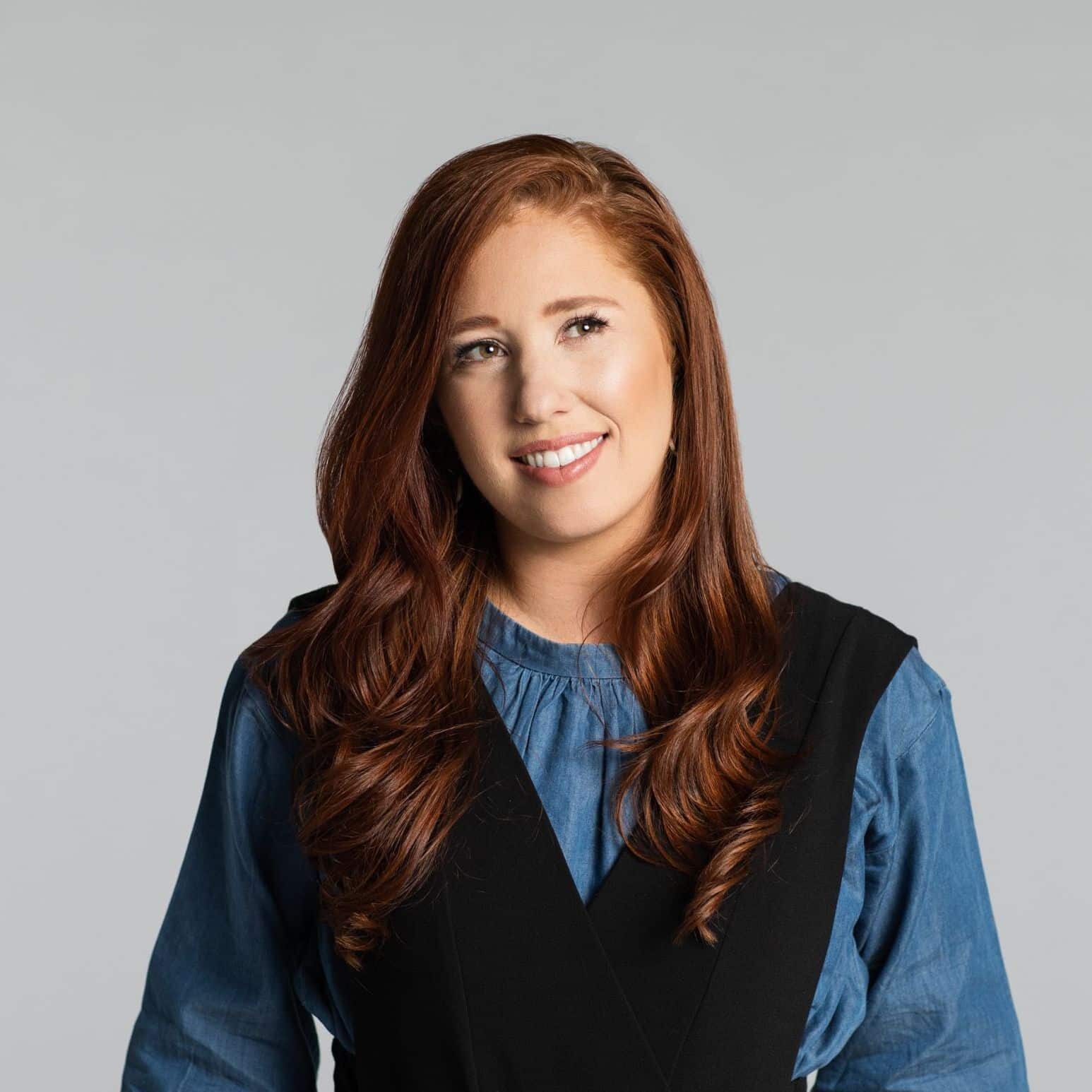
Sydney Webber, Senior Marketing Lead, Updater
Sydney Webber has a decade of multifamily experience, with the majority of it in marketing on both the operator and vendor sides. In 2022, her podcast, “Renter Obsessed,” won the Platinum DotComm award, and she has since started a new show called “Life After Leasing.” Sydney works on Updater’s marketing team and moderates the Revyse community. She has shared marketing strategies as a mainstage speaker at multiple AIM conferences and been featured in Globe Street, Multifamily Insiders, and Multihousing News.

Devin Lusk, Director of Marketing at American Landmark Apartments
Devin Lusk has more than 20 years of multifamily housing industry experience, Devin brings dynamic expertise and knowledge to the American Landmark team. Currently overseeing the marketing department for American Landmark, she also supports over 100 multifamily communities in American Landmark’s portfolio for digital advertising, social media, websites, virtual reality tours, marketing technology, and CRM — anything that directly or indirectly contributes to property marketing. Before joining the company in 2015, she worked onsite in the Tampa Bay area and served in various roles, from leasing to community management.
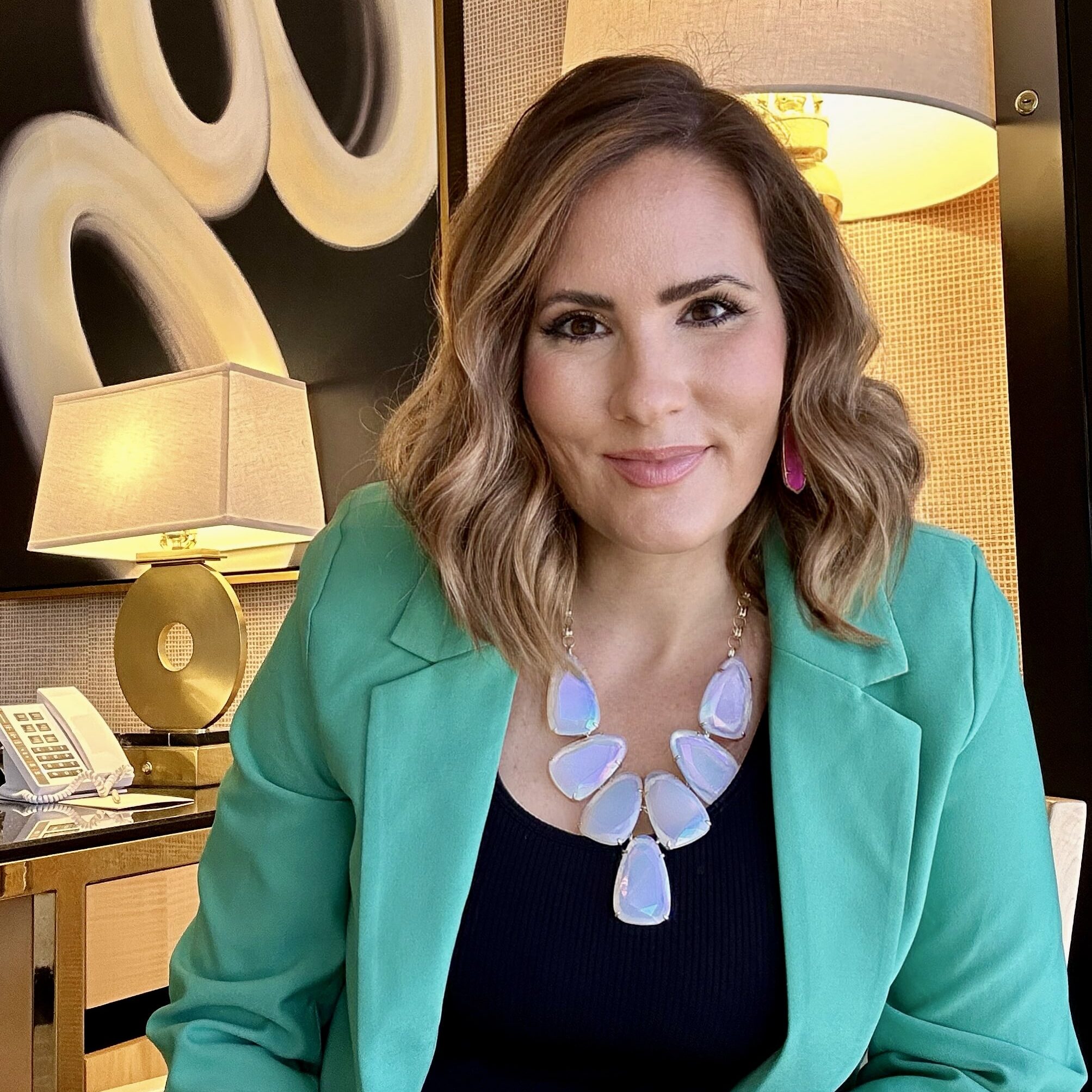
Stephanie Anderson, Senior Director of Communications and Social Media at Grace Hill
Stephanie Anderson is the Senior Director of Communications and Social Media at Grace Hill. As a working mom of four with over 17 years of property management experience, Stephanie is the first leader in multifamily to bring a unique 360° perspective to working as an operator, a non-profit association manager, and a supplier partner. Stephanie’s dynamic career has been intentional in trying new things and disrupting the status quo at all costs.