


 Customer Support


In Part 2, of the Leadership Lessons webinar series, Krisann Gaiko sits down with leadership experts Donna Summers and Wendy Walker to delve into the profound impact effective leadership has on an organization. This engaging discussion will explore how great leaders not only inspire and drive success within their current teams but also create a magnetic pull that influences employees to follow them to new ventures and companies.
Discover the intricate dynamics of leadership that extend beyond immediate team management to organizational culture, employee retention, and overall company success. Whether you're a seasoned executive or an emerging leader, this online event will provide valuable perspectives and actionable insights to elevate your leadership approach and cultivate a thriving environment.
In this session, you'll learn:
- Insights into how leadership styles and behaviors permeate an organization, shaping its culture, employee morale, and operational efficiency.
- Practical techniques that great leaders use to foster a loyal and motivated workforce, reducing turnover rates and encouraging long-term commitment to the organization.
- Why employees often follow effective leaders to new companies, and uncover strategies to leverage this phenomenon for organizational growth and continuity.
Hello. Hello, everyone. Welcome. We're gonna wait just a little bit before we start to give everybody the opportunity to join. Hope everybody's having a great day. Looks like we've got about thirty five people. Everybody's coming on in. I'll give it a few more minutes. Yeah. It's growing. I know. I think there was a pretty large number of people. I think we had well over two hundred and fifty registrants for this. So I know not everybody makes it, and we will be recording. So some people sign up because they know they can't come, but they'll get the recording. So Okay. It looks like we've the the participants have kinda slowed down a little bit. We've got people greeting. Good morning. We're so glad you're here. It's noon here where I am in Texas, and, I just wanted to welcome you to our webinar today. It's called leadership lessons, key insights with multifamily executives. And this webinar is part two in a two part series. So if you didn't hear the last one, we do have that as a recording that we, release to all the people who registered, and we are also adding that to the library to the Grace Hill Library so you can assign that out to your teams. My name is Chris Anne Geico, and I'm the senior VP of content strategy here at Grace Hill. And I have been in the apartment industry for too many years to say. Need it pretty much since I graduated from college. So I've never done anything else except, serve the property management industry. So, so much has changed, as we all know. And especially since the pandemic, a lot has changed. And also with the advent of technology and AI, but one thing remains the same. Great companies are the results of great people, and that starts with leadership. So, before we get started, just a few housekeeping items. Today's webinar is recorded, as I said, and will be shared with everybody who registered later this week. As an attendee, you are in listen only mode. That just helps with outside noises, interruptions, distractions. And, if you have any questions, you can, engage with the chat in the q and a box located in the lower right hand of your screen. So now for the good stuff, I want to introduce today's speakers. First, I have Donna Summers, who is currently the president of Gables Management Company. She is responsible for overseeing all aspects of Gable Gables Residential's property management. This includes, but is not limited to, marketing, training, revenue management, facilities, and operations for both stabilized and new development within the company. She Gables manages over thirty thousand multifamily and mixed use assets as well as owned and third party portfolio. So they pretty much do it all. Donna has almost forty years of experience in property management. She started when she was two in her career, and it began with Trammell, Crow, and Gables where she spent eleven years in a variety of operational roles. So after she left Gables, she worked for Archstone and Greystar in various roles, all different property types from a to c, for owned third party. And before returning to Gables in two thousand five, she was the director of operations and asset management for First Worthing. And while at First Worthing, she worked both conventional housing and student housing. She holds her CPM designation as a member of the Dallas Irem chapter, has served on the board of directors and the legislative committee for the apartment association of greater Dallas, on the board of directors for apartment life. And Donna currently serves on the board of directors for redemptive real estate. Welcome, Donna. Thank you. And my second guest today is Wendy Wendy Ray. I always have trouble saying that, and I've known her for years. Wendy Ray Walker. She cofounded TAM Residential, formerly known as Topaz Asset Management, a developing leader in the management of over fifteen thousand really high quality conventional and affordable multifamily housing communities. Wendy has dedicated more than thirty five years to the multifamily industry. She began her career on the ground floor as a leasing consultant and just worked her way up through the ranks. She is a dynamic speaker. Many of you have probably heard her as she, teaches for the apartment association. She's a published author, attended the University of Arkansas, and she is married to her high school sweetheart. They have two children and two grandchildren. She holds her CALP and CAPS designation from the National Apartment Association, and she is a member of the National Apartment Association Education Institute facility. Welcome. Welcome, Wendy and Donna. I would like to set the stage, though, to tell you how I know Wendy and Donna. I had, the privilege of meeting and working with them many years ago, probably, what, more than twenty plus. A little over twenty. Yeah. And I was pregnant with my first child, I I believe, when I met you first, Donna, at a company, called First Worthing, which I mentioned in Donna's, bio. And so we all were able to work together, and we've stayed friends all these years. So you guys are just listening to three old friends chat about their experience in the industry. So that's how I know Wendy and Donna. And so now I would like for Wendy and Donna to tell you how they met. Wendy, you wanna start? Sure. Because I get to talk bad about myself. So I was And I get to fix it. So go ahead. Well, that's exactly what I'm I was a nightmare leasing consultant. And what I mean by that is I could lease every single person that walked in the door, and I still can. At fifty seven years old, I can still do it. But I could not do paperwork. So people would come to me and go, hey. These people are here to move in, and where's their lease? And I'd be like, oh, I haven't even verified their application yet. So I was I was just a nightmare. And, of course, Donna was my leader during those horrible, horrible things. See, I wouldn't have called you a nightmare. I would I would have said that you, I saw a person with an enormous amount of enthusiasm and drive and potential. But I also somewhat saw someone who dressed like they were going to a club. She looked great, but it wasn't exactly the uniform we were going for. And, as she said, she was not so strong on her paperwork. And so but I I did see a lot in Wendy, and I'm so proud of her and everything that she's done. But there were some adjustments that had to be made. Right? Right, Wendy? Well and, Donna, your leadership was, like, completely critical for my career because, to be honest with you, most people would have given up on me. And you instead of giving up on me, you focused on the things that I could do really well and got me help where I needed help. And and at the first at first, it wasn't help actually helping me learn how to do it. It was here. Did somebody take this away from her? Let her concentrate on sales and let her let somebody else do the paperwork. And then I just split my commission with them. And until later, when we when they moved me, to El Paso to babysit a very small, very, very tiny property. It was under two hundred units, I think, and, to be the manager. And I'd never been an assistant manager. Trust me. You never want me to be. And I I found out later that it was my chance to sink or swim. And so I went out to El Paso, and and, hopefully, under their leadership was going to kind of further my career at that point. And, obviously, it turned out right. Yeah. I mean, we were very I was very fortunate at the time because I also had a good leader. Terry Turk at the time was my leader, and she was great at looking at the individual person and looking at the potential. And I had my fair share of issues as well, which I'll probably talk about later. And the way I was perceived was a challenge. And so what I saw in Wendy was no different than what Terry saw in me. Just Wendy and I were very different, but but still had a perception issue. And because she had that perception issue, certain, Lee, I was her direct supervisor, but other people in the company were limiting what they thought she could do. And so this opportunity in El Paso came up, and the thought process was if we could get her out of her her comfort zone, if we could get her out of her normal routine with her normal day to day life and get her put her in a in a situation where she had to look at things differently and do something differently, and she was sort of the only one there on that property to make it work, I really believed she would step up. I really believed she just needed to get out of her own head. And thank goodness it worked, because we proved a very different story right now if it didn't, but it did. And, and she came back a different person. She came back with a confidence level that she didn't have before. She was confident in herself and her ability to sell, but she was not confident in her ability to administrate or lead. And when she went out there, she had to do that. She was put in a different environment, and she came back a different person, and I was very proud of her. So you're say and I wanna be clear here for those of you who know Wendy and or don't know her. She was living in the Dallas Fort Worth area at that time. So it wasn't just like a that's a pretty big move from Dallas to New Passo. And so what you're saying, Donna, is this really was strategic on your part. You it wasn't just to babysit a property. It just happened that you needed that, and you this was your way to try to develop her. Right. And I didn't tell her at the time that it was sort of a sink or swim. I don't think, I didn't tell her till she got back that the people that I, different people I reported to and other RMs didn't really have that. Again, it was that perception issue. We'll talk about that later. But that perception was holding her back from what I was holding her back from what I truly saw was her potential. And I didn't tell her, look, you got to go out here, sink or swim, because I didn't want that pressure on her. I really felt like she'd say, well, then I'll just won't go. I needed her to know that I had faith in her. I needed her to know that, and I did. It was not a joke. It was not a pretend. I had faith in her. And I put a little bit of my own job on the line, and I've always said, you don't wanna be if you don't wanna do the hard things, you don't wanna make hard decisions and put your neck out, then don't be a leader. But I did sort of put my neck out for Wendy, and I was proud to do it, would do it again, and was honored to do it. I've done it many times again, because I believed in her. And you've gotta believe in the people that you lead, And you wanna put that time and energy in those people that you know will succeed or have a potential to succeed. Ultimately, that's being successful was on her. I couldn't do it for her, but but I was so proud of her. So I didn't tell her that it was sink or swim till she got back. But she she swam, so it worked out. And it was funny because her plan obviously worked, but I remember, I'd never posted rent before in my life. And, I mean, I couldn't verify an application very well, so posting rent. And I had the manual out, and I'm sitting there at ten o'clock at night in the office reading, here's how you post rent. And I'm, you know, poking the buttons on how to post rent in the computer because I've never done it. And I was supposed to be there for three months. It ended up being nine months. I guess they thought I needed smart training or something out there. But then when I came out, they gave me my own three hundred and forty eight unit property, and kind of the rest is history. Yeah. Did you go because you wanted to be a manager, Wendy? Was that your goal to be a manager? I just wanted to grow my career. I really my passion has always been training. But at this point, I needed to grow in my career somehow, and so I I took it as an opportunity. So that's why. And let me tell you, what I think is really funny about all this is you telling me that you couldn't do paperwork and that you didn't know how to post rent. And now, you teach property management financials for NAAEI. I mean, that's a really big deal that you made that much of of a change and were able to take that path and and do the things that you needed to do. So that's pretty impressive. Well, it all has to do with my the leadership that Yeah. Helped me along the way. One of the things that I think people tend to do is that when we're when we're in our comfort zone, whether that be a property that we've been at for a while or we're surrounded by people that we're comfortable with, two things happen. One is the perception of everyone else about you, you start to believe. And Wendy had started to believe those perceptions. So I can't I had arranged for her to have someone else do her paperwork, right, for a while. But I realized after a while, that's not working either because it's not helping her grow, and she wasn't she was just getting too comfortable in letting someone else do her paperwork because she was so good at sales. And those and the other people who were great at paperwork, not good at sales, they're like, great. I can have the commission. I'm happy. You do all the sales. But that wasn't gonna move Wendy forward. It fixed the problem, but it wasn't gonna move her forward. So she had gotten so comfortable with everybody around her and the perceptions that were being and the labels that were being placed on her, that she wasn't moving beyond it. And it wasn't because of a lack of drive. She had it. It's just it's human nature that we that we get comfortable where we are. Whether you're able to be taken and moved moved to another situation or whether you move yourself. I know I've done many things in my career that I was scared to death to do. They were hard. I wasn't qualified and I was scared. But I knew if I didn't do it, I wouldn't move forward. That is the only way I've ever moved forward in my career. And maybe I just put that off on Wendy too, but it worked. And I knew she, if she got out there alone where she didn't have someone to do her paperwork or post that rent for her, I knew she had the drive to look it up and do it herself. I knew she did, but she had to be alone. She had to be it. And that's what worked for her. It doesn't work for everybody, different things work for different people. But I think that's an important thing to realize that if you feel like you're being, you're stuck and you've been labeled and you can't get out of your labels, then do things to get out of your labels, take yourself out of your comfort zone, do something hard, and even if you fail it's okay because you're going to learn from those failures and Wendy and I sit here all day long and talk about our failures. There's many. But you you take those and you learn from them and you keep moving forward, that's that's what makes the next hard thing a little easier and a little easier and you don't stay stuck. Can I piggyback on that for just a second? Because when you said do that for yourself, but if you're a leader, think about the impression you're also making on the people that, that you're leading. Right. That's right. The things that Donna did for me throughout my career, and it was several, several, several years, I found myself doing without even realizing that it was Donna's leadership that helped me do that for people that I was leading. And there was one in particular who was, she was just like me. She could sell to everybody, was an excellent marketer, but, all of the paperwork. And I just sat back and went, okay. She's me. What did Donna do? And so things that you do as a leader are going to affect future leaders, and they're going to start behaving as you do. So if you are a poor leader, you're gonna develop poor leaders. If you're a strong leader and you really care about the people like Donna did, you're gonna create those kind of leaders for the future of our industry. I love this. And let's talk a little more about perceptions. So so Wendy had, some people who had perceptions about her abilities, but, talk talk to me about we talked about this when we went through our brainstorm. Tell tell me about the blazer and, you know, you mentioned Wendy's attire. Tell me tell me about that. So the main thing I remember about Wendy's attire were very tall white leather boots, and very, very short skirts. And it was adorable. It was cutest. She was she dressed the cutest. But you also have to remember this was the eighties and early nineties and, it was very conservative back then. So her attire was not appropriate for the for the dress of the company. So blazer the blazer was I was going in to have a Well, that was diff that was diff that day was different. Yeah. I was going in to have a conversation about a training position, and, again, this was my passion. I was a manager. I wanted to be in training. And, it was nice. I was so excited that I felt like I looked so professional when I looked in the mirror, and there I am all, like, excited. And then Donna goes, Wendy, the lapel is creased, like, over It's like sticking the wrong way. And I was just I was just mortified because I was so proud of my attire. And Well, she was going for that interview, and I was just trying to help her. Look. Here's the way I look at it, and some people on the call may not. I think Wendy and I agree on this now, but I believe that when you show up for the job that you're wanting or you show up every day, right, wanting something more, hopefully. And I've always said, show up for the job that you want, and show up like you care, like you thought through it, like you, like you belong. And so just little things can be distracting to an interviewer. And I know that sounds silly, but it's true. If a if a collar is all, you know, pre pressed wrong and or it's wrinkled or you you didn't for women, put on a little bit of makeup or just just show it's different for everybody so I'm not trying to label, I'm just saying show up like you care, show up like you meant meant to be there, that you got up that morning and you are proud to be there and you want to be there and you're there on purpose, I always say be present, be on purpose. And if you do that, it's not about expensive clothing, it's not about it's it's not about that. It's not about everyone looking the same. Because Wendy and I dress very differently, but we both look professional. It's about it's about the presentation. It's about being confident in yourself and showing up and being present to me. I don't know, Wendy, if you disagree with that. But No. No. No. I agree. And to be honest with you, after that conversation about my blazer, I did change, and I did start dressing for the job I wanted instead of picking my clothes up off the floor and putting them on. Oh goodness. I've these these are just, hearing about this is I mean, I've I've had similar experiences too. And I do think I I agree. I think dress is important. I think it's important for you to look, the part and whatever part that that you're, striving to to achieve. So, you know, and I love hearing about, you know, how Donna not only address so she you know, the the personal part of it, the dress and and the image is is a piece of that that she was able to address. And and I feel like that's really hard sometimes, and that's part of what I think about when I think of there are elements to caring for the whole person, and that's something that I try to embrace in my leadership style is what's going on with that person, not just from a skills perspective, but the the image or what's happening in their personal life. And, And, you know, I've seen you do that, Donna, because we work together. And, you know, you talked about how, parenting helped you, to do that. Yeah. I think, so when I started in the industry, I was, single and then married and had children. But and I do have two children and three, beautiful grandchildren. But I you're you're right. You have to treat each person differently. And one of the things I wanted to say before I forget is to be able to speak to Wendy about a folded collar, which might seem so silly to some of you. But to speak to her about that, I had to have built relationship capital with her. I didn't just start out first day, you can't wear those boots, you can't do that, can't do this. I built relationship capital with her. I invested in her. And as a leader, I believe we have to invest in our people. Now I don't mean that means you become their best friend, you take them out to drinks, you, you know, you I'm not saying that, but I am saying you have to show you care, you have to show that you believe in them and you are investing in them to build that relationship capital, that then you can withdraw from it later on. So when I talked to Wendy about our caller, she didn't think I was being critical. She trusted me because I had built relationship capital with her, and she took what I was saying in the in the right way, in the way that I intended it because we had built that over the years. So that is a a leadership lesson that I strongly would, you know, that I would like to make sure that I say is that you can't just go in and start barking at people. You can't just start telling them what to do because you haven't built that relationship with them to earn the right to invest in them. Now, if they're stealing or it's not, you know, it's something like that, that's different, right? But I'm talking about building the person, building the whole person. And those conversations are hard, but but you want to invest in them first, invest in who they are, and then you can have those whole person conversations because they know you care. Right. And and also that you can't the way that you invest in one person might be different from the way Yeah. I'm sorry. I didn't finish that. Person. Yeah. So I have two children, and I you know, they're very different. I raised them you you raise them as consistently. Wendy has two children too. You raise them as consistently as you can, but you both know you treat each one a little bit differently, but like based on their personality and how you approach them. That helped me a lot with with, people. I I had a perception issue that I mentioned earlier that people felt like I was rigid when I first went into the role, that I was rigid and that I didn't care and that I was all business and and didn't care. Well, that was very, very far from the truth in my heart. But I had small children. My life was crazy. I was very busy. So I was just running through life, kind of treating everybody the same in the beginning, just trying to get things done and being the same to each person. And over time, I realized and through just a lot of studies and things, I realized and, of course, having children, you can't treat them into the same. You you you have you treat each person equally and fairly, but you may talk to them a little different. You may make a different you you you may make it different when you talk to them and how you deal with them and how you present something to them. So would I have given another person the same opportunity to go to, you know, El Paso? No. That worked for Wendy. That that happened to work. But for somebody else, I might do something different. And there was probably a couple of conversations Wendy and I had where she would be like, well, why does that person get to do this, this, and this? And I don't. Like, well, that worked for them. This doesn't work for you. This is what will work for you, or this is what I hope will work for you. So so, yes, leaders like I said, leadership is not for the faint of heart. It's it's constantly evaluating and looking at situation and then treating each person with the with the respect and the way that they need to be spoken to. Well, and for the leaders out there, that relationship capital is huge because, you know, I followed Donna, met her at Trammell Crow when it changed to Gables, met with her to Archstone, went with her to Greystar, and then ended up with her at First Worthing as well for a little while. I I followed her for very, very, very many years, because of that relationship cap capital that she built with me, and I trusted her. And any position she put me in, I trusted that everything was gonna be okay. Yeah. You took that feedback, and, I think that's challenging as well. I mean, even as a leader as as leaders, we all get feedback from our leaders. And, you know, I think I think it's important to be able to step back and say, okay. I'm gonna take this for what it's worth and do something with it instead of being hurt. Or, again, the relationship capital was built, and so it wasn't hurtful to you because you felt like she really cared about you. I think that whole thing about following I I see great leaders in the industry. I've I know many, and I do see that they have people that follow them, which I saw when I met Donna at First Worthing. She brought in some regionals that had been with her for all these years and loved her and would do anything for her. And I never reported directly to Donna. I was in a support role. I was the director of training, and so I worked with her a lot, but I was able to watch her leadership style. And I thought it was really compelling because even people who did not report to her were influenced by that. And I felt like that sort of permeated the organization and really improved it. And so, you know, I kind of, Donna, wanted you to talk a little bit about that. Like, is that an intentional effort on your part, or do you think this is just what happens when other leaders see a good leader doing great things? I I don't think anything is accidental. Again, it kinda goes back to that showing up and that on purpose. I can't say in the beginning that I knew exactly what I was doing, but I did have a good example in Terry, And I'm very thankful for that. She she saw me. She looked I was a young girl from a small town. I didn't know anything. I was so green. And she saw something in me, and she worked with it. And she worked with me individually and she treated me individually. And she treated me, she she met me where I was, which was very different. And she never made me feel bad about where I was. She would, she would always sandwich the good with something she was corrected in another good, you know, so like an Oreo cookie. She would she would sandwich it and I watched her do that and I think naturally it became something that I did. Then over time, I continued to read and study and do get in anything I could about leadership and personality types. As I mentioned earlier, I had a huge perception issue, with the way people looked at me and even the way I dressed. So it was one way with Wendy, but with me, I dressed very stern. I had just had I wore a lot of still do wear a lot of black. I didn't today on purpose, but I tend to wear a lot of black. I tend to dress a little bit on the stern side. My everything of my tone, like, everything about me came across stern. And the Terry who had built relationship capital with me, right before I got promoted to a regional manager, she sat me down and she said, you may not get promoted because of this perception. And I was devastated. How could somebody's opinion of me keep me from being promoted? Well, it was all my peers and they they didn't want me to be their supervisor because they didn't think I cared, they didn't they didn't see something in me that she saw. So I went on a path to change the way I presented myself, the way I dressed, I softened my hair, I softened my clothes, I tried to change my tone a little because I didn't want someone's perception of me standing in the way of my true heart, my true goal. And while I'm not a people person, I love people. And I I a few years ago, it's been over twenty years ago now, Kendall actually, Kendall Pretzer actually gave me a book and it was it's called The Path and it talks about how to write your own personal mission statement and I was going through a really hard time during that time and and so I learned about I wrote this mission statement and in that I learned that my core value was the potential in people. I truly believed in it, it was my goal is to literally take every person and help them reach their potential or help a situation reach its potential, but mostly people. So like a problem solver, but with people and helping them. Well, to do that, you have to invest in them, you have to know what their goals are, you have to know what they want, you have to know how they respond. And you, you, you have to build into them that relationship capital that then you can help them go to the next level. So all of that said, I began to do that individually in each person, and I think because my core value was identified in myself and I I highly recommend that every person should have a mission statement and any of y'all that worked with me very long, you've probably gone through this with me and you probably all have mission statements and if anybody out there is listening that you've done it with me. Because I believe that once you do that, then it's almost like all the resources of the universe come flooding at you because you know your purpose and you're going to do it with more passion and more focus than you would if, if you were just sort of wandering around in life. So what I think Wendy saw and what I hope she saw, what I hope others saw was that was that that was me carrying out my core value, carrying out what I believed in, and that was leaving people hopefully better than I found them. And because hopefully I influenced in some sort of a positive way. I love hearing that. And I do I remember that I wanna I wanna have you think about this, and I didn't tell you about this ahead of time. So, if you can't think of all of them, but you talked about the path. I want you to be thinking about some of your leadership studies that you've done. I remember being there working with you at first Wording and complaining about someone, something someone had done, and you looked over at me and you said, Chris Anne, that person is wind. Was that the same book that was the wind, water, earth? Yeah. So that book is the same author. The path is written by Laurie Beth Jones. And the there's another book she wrote called, The Elements of Success. So what she does in The Elements of Success, I highly recommend it, it is super easy read, it is, it is easy to understand. So everybody does the personality test, right? There's so many and they're all very good. Some are a little more complicated than others. I had taken many over my career. But this one was so simple because there's four elements, Earth, Wind, Fire, Water. And those are things we deal with every day. And we use those. Well, when I went through, when I took the book and I read it, I read the path first, then I read the elements of success, then I actually went to one of her seminars. And I, I was able to really understand the different personality types and I most importantly, I was able to understand mine. And I mentioned that people thought I was sort of rigid and hard. Well, I'm a fire and on the scale of one to eighty, I'm like seventy nine fire. I mean, I'm strong. And that and I'm not gonna go into all of it and get the book, but it's it it explained to me why I did what I did and that my passion was driving me. So I had to just refocus that passion so that when I talk to a wind or I talk to a water or I talk to an earth, I change my personality style because if I go at a fire if I go like a fire to a water and I have someone works for me right now as water and we laugh about this all the time. If I go out her like fire, she's she's gonna shrivel. So I can't do that. I have to go I have to go at her differently. I have to talk to her in more of her water language. And in that way, we're both successful. Right? I'm successful in my communicating, and she's successful in the way she hears me because I'm communicating in a style that she needs. So it doesn't matter what personality test you do. It doesn't matter. It doesn't matter. Learn about yourself, but learn about the others. So that when you go into a situation, you're everyone is not like you. Thank goodness, right? We don't want everyone like us. And we don't want to surround ourselves with all fire. We don't wanna surround ourselves with all water. We want to have a mix in our team of personalities. So if you can find something that helps you connect to those personalities, that is probably, if not the number one the number one thing, that in the mission statement really changed my leadership style. And Well, and then she came and did a manager's meeting for all of us, and we had to learn what we were. And, again, you're developing future leaders. So then as a leader, I had all of my team members constantly going through personality things because it's that communication style. In fact, I even taught my children to wait the way they should communicate with their father because they were coming at them as their personality style, and their father was freaking out. And I was like, it's so much easier if you come to him in his personality style or at least Mhmm. Softening. At least try. Yeah. Yeah. Yeah. Yeah. So I've not only taught that to people, but also to my children. Well, I did that with my kids. Both my kids wrote a mission statement. All my managers wrote a mission statement. All my managers got that went through the the elements of success. I've done it at every company I've been with since including Gables, because I truly I truly believe that that is the way to that's just the tool I chose, but it is the way to learn about yourself and then communicate better with others. I wanna tell you all about a tool that we use here at Grace Hill. We use DISC. I'm sure you've heard about it. DISC is another agreement. So when you come on board with Grace Hill, we you do the little test and it tells you what you are. I'm I'm I yellow, high and get, you know, high idea, high engaging. But what I love is I have a counterpart who is a lot of her qualities are the polar opposite of me and we have to work together. We don't report to each other. We are counterparts colleagues, and she communicates very differently for me. And I feel, I feel badly for her sometimes because I am a high idea and I'm all over the place, but we have a tool that we use. It's called everything disc and it's catalyst is the I'll, I'll find it and send it to, I'll put it out there. I'll put it on social media Because what I love is it's it's it's a technology tool. So I can go open this up and type in, what do you wanna do? Do you wanna collaborate? Do you need to confront? Do you need it's there's four different things. So when I'm about to go in and collaborate with her, I can pull up, collaborate, type in her name. And it shows me the areas where I might have trouble. You might want I'm unstructured, she's structured and we're on opposite ends. And so I realized you need to give her grace that she needs this structure and she does the same thing for me. And, and we work so well together because of that. And I wonder if we didn't have that knowledge, I don't think we would work as well together. I guarantee you. Yeah. I guarantee you. It it that's what I said. There's so many great tools now, and the elements is just a quick easy one. There are more in-depth ones, like you said, the disc and such. Elnibus is just easy for me to remember. But the point is not what you use. It's use something. It's about yourself. Learn about your I don't wanna call them weaknesses, but learn about the things that people see in you and how they see you and the way you're trying to communicate. But but learn your core value, get your purpose, and then nothing becomes more important than than fulfilling that. And to fulfill it, you want to do it effectively. And to do that effectively, you've gotta communicate with other people in a way they can be communicated with. So I love that, Chrisann. I think that's a a great tool and exactly what I'm saying. Well, this has been so fun and I could just talk about this forever. I'm wondering I've had, we've seen a lot of thank you for the ideas, a lot of excitement around these books. I'm interested to see, does anyone have, and you I won't share your name if you don't want me to. We don't we'll just ask the question. Does anybody have any questions, that you want to ask, Donna or Wendy while we're here? I'm not seeing I'm not seeing anything coming through. Well, you know, while we're waiting, I I could, tell a story of another thing that Donna taught me. Okay. Tell. Don't tell. I, I've I've always been a people pleaser. I still am. And so because of the way she counseled me and helped me, I had to learn to be able to do that same thing for my team members. But if I had to counsel someone or even have a hard discussion or a confrontation with them the night before, I would be sick, and I couldn't I was just making myself crazy. And I kept telling myself that, you know, Donna spent all that time and effort trying to make me a better person so that I would have a successful career. And had she not confronted me about several things, including my blazer, who knows where I would be? And so I had to learn that those counseling sessions or confrontations or discussions that you have to have with team members, is the only fair way to give them a fighting chance in their career. And it sometimes scares me because I think that anybody that's like me, that's a people pleaser, who doesn't want to have that confrontation with their team member are doing that team member a huge disservice because they're never gonna succeed without your strong leadership and helping them kind of get to the next next level, and that's by telling them what they're doing well. That's right. And you don't wanna do it you don't wanna do it just at at review time. Like, you don't wanna take your long list in at review time and dump on them. And I think Wendy would say, I'm not very good at structured reviews. I'm bet what I think Emily mentioned that last week. She got on to me about the structured reviews. I'm better at individual as it happens. I think that's more effective. Now you can summarize it in your structured review time, but leaders don't think that you can just keep notes over here and not say anything because you don't wanna hurt their feelings and then you sat down one day and you dump on them. You haven't built any relationship capital, they're gonna be hurt, they're not going to listen. So you've you've got to make those again, leadership is hard. It's hard. And I don't Well, that review, Donna, shouldn't be a surprise. My review was never a surprise with Donna. Not be a surprise. I I, in fact, because, you know, we would have to do our portion of it and then, you know, ours were always the same because I knew exactly where I stood with her at all times. Yeah. I don't believe in bringing surprises to the interview or I'm sorry, to the, the review. To the review. You you've got to do it as you go along. And Wendy's absolutely right. It's the number one thing a leader can give the people they lead. They've got to give direction. They've they've got to do that. Mhmm. We do have some questions coming in. So one of the questions we have here is this is question for Donna. What has been the greatest challenge as times are changing and we are trying to keep up with the younger generation and their expectations and differing work ethic? That's a great question, and it is a challenge. But I I really believe at the end of the day, I don't think this generation gets up every day and says, I don't wanna work today. I don't. I think it's just different things are important to them. So it's important at our company, at Gables, we have an employee, you know, where they can type in their, comments and things, a survey. And I take those very seriously, and I read every comment, every single comment. And sometimes they're very painful, sometimes they're very good. But what I what I think I read in them is if people aren't just saying, I don't wanna work, I wanna get paid not work or what, that's not it. They just have different things that are important to them. So we have to figure that out. We have to figure out, and then we have to balance that with the business itself. So, you know, I'm gonna make this up, but if everybody wanted to work from home, well, that doesn't work on-site. Everybody can't work from home on-site every day, certainly not service. And, so you've just you but you've gotta figure out, okay, what can I do? So we had one of the complaints that our younger generation had with Gables is we had these late night hours that we were open. And we had done that at a time when it made sense, but they really wanted that. Time is very important to them. It's not they don't wanna work. They just their time is important. So we took that away. We heard them and we took that away. So I just I know I'm not giving a perfect answer, but I I don't believe that it I do believe that it goes by about with what we were already saying. Find out from the individual what they truly want. Get to the core of their issue. I'm not saying there are lazy people out there. We've all there there are and sometimes we have to help them find another position where they can be more successful. But I do believe most of the time you just need to get to the root of what that person needs and then figure it out for them. And I do believe that's the way my generation has to con I've I've done it my entire life, but I'm gonna continue to do that with the the younger generation. But I also think that if you follow Donna's leadership and when you get to the bottom of it, don't just go to the automatic, this is the normal thing we do, but think outside the box on ways that you can really work around that and help that individual or that generation. Right. Here here's another question. What are your best suggestions for leading your team on during a big change in operations? Well, Wendy might be good at this too because she's had a lot of experience with with these things. But I believe communication very, very, very clear communication about what you're going to do and why is super important. And we've we saw this during COVID. Everything was moving so fast during COVID. While the world was slowing down and shutting down, our business was speeding up and was very busy. And as you guys remember, it just was a constant flurry of things. So we had to roll things out. We rolled something out on Monday, and it would change on Tuesday. We roll it out on Wednesday, and it would change on Thursday, different regions. And what we tried to do, and anybody with Gables that's listening, I I know we didn't do it perfectly, but what we tried to do was communicate the why as as quickly as we could and in advance if possible. So you you can't have enough meetings, you cannot have enough calls, you you have to explain the why that you're doing it. You have to give as much background information as you can so that you gain buy in. If you try to force speed change without buy in, you're going to struggle. It takes longer. It's much harder. So we we test a lot of things. We we just went to centralized, services a couple of years ago. We tested it for a year. Then when we rolled it out, we had meeting after meeting after meeting after meeting before we rolled it out to the rest of the company to get buy in and for everyone to understand that this was not an arbitrary decision that we just made on the fly and we're just gonna do it. This was well thought out and it had lots of input. So communication and being very open with why you're doing it help explain that. To me, it's the the and it's the same way with my kids. I use it with my kids. I used to tell my kids, you know, you tell your kids what to do, and they're like, why? If you can explain the why, if you have the time, then it helps them buy in, and they're more likely to comply. And the only thing I would add to that is agree with all of that. In fact, that's kind of the same thing because our, you know, our property management policies were changing during COVID every couple of days. But kind of adding an element of fun for the teams Oh, yeah. To kind of bring bring the teams together. And now with everybody on Zoom, I mean, there's so many things you can do on Zoom just as if they're going through change, it's stressful. And so adding an element of fun, whether that's playing a quick game of Pictionary using the whiteboard on Zoom or doing a quick game of bingo or just just anything that gets the team members to have a little bit of fun together. And, I mean, in in my last company, we, you know, we're in, I don't know, seven different states, and we would get our team members together on Zoom to do these fun things with everybody together on camera so that everybody was interacting with people across, you know, several states from each other. So Agree. I would just add the level of fun. No. That's Wendy is always good at adding He's always good at the fun. And I you know, I I learned as much from Wendy as she says she learned from me. So I'll tap to see. I wanted to be CFO chief fund officer, but the the chief financial officer didn't like that title. So here's another question. This one says, I struggle with and and I've been in this spot too, and I'm I'm sure y'all have too. I struggle with dealing with conflict on my team. I was the assistant manager before I was the manager. I don't want to think that they don't respect me, but it's hard. How do you suggest I overcome that? So Wendy could probably speak to this too. I always I don't anymore, but I always looked really young. And as you mentioned, I started when I was two, so I was young and I was supervising. Same thing happened to me. I was promoted from assistant to manager, and I had a lot of the same people. When I was promoted to manager, all those peers I talked to, you know, I mentioned now they report to me. And again, I know I sound like a broken record, But I just you have to earn their trust. And to me, you earn the trust through that relationship capital. You show that you care, you show that you're there for them, you show that you're gonna work. I never asked people to do anything I wasn't willing to do. I didn't ask I had a maintenance supervisor who was thirty years older than me. But I went out with him, you know, one day a quarter or however often it was and worked with him and made sure I understood what he did and that changed our relationship. At first, he was just looking at me like this little girl who didn't know what she was doing. By the end, as I as I built that relationship capital, I earned his respect even in my twenties and he was in his fifties. So to me, that's what you do. It doesn't come quick. I think many people think the title brings respect, and it probably brings a small level of respect because they report to you, but you have to earn the rest of it. And you earn that through through investing in them, showing them that you care, working as hard as they do. And I don't mean doing their job for them. I don't I don't mean I'm a big believer in leaders need to sit in the seat they're in. Don't go big mistake. Don't go back and do the job. You know, you were the assistant. Don't go back and keep trying to do the assistant's job. Show the assistant you trust her and you or him and you believe in them, but you support them. And you're willing to fill in when you have to or you're willing to help. Those things go a long way. Wendy, you may have something else to add to that. Well, it's just that and and, I've seen it happen. So you've, you know, you've kind of moved your way up through the ranks, and now you're in a a supervisor type position, whether that's manager, regional manager, whatever. And you all of a sudden, that person and I I don't know who asked the question, but whoever did, I'm not talking about you. You you feel like you've but you're entitled to now be the boss, be respected, and not have to do the grunt work. And those are, I think people people who do that leave a bad taste for those of you who don't do that, who who do show that you'll do the work too, that you're not sitting in your ivory tower just, you know, barking out orders. And, I feel very fortunate that most of my supervisors were that way, that they helped me to realize that they wouldn't ask me to do anything that they wouldn't do themselves. Right. And they weren't sitting in an ivory tower, and that they cared about every employee. And I think that that's kind of the biggest thing is just looking at your employees, having conversations with them, building that, relationship capital, and letting them know that that's who they're gonna be. You're not going to be that other person that I just spoke about, which I've seen a lot of people do that, and it's disheartening to me. I agree with you. I agree. That respect does not come from the title. Mm-mm. Oh, let's do one more. This one's a little bit different. This one is, how do I address an issue to my supervisor when the supervisor is the issue? When I seek direction, I end up feeling worse because rather than guidance, I get more of a lecture on what I did wrong or how I'm doing rather than using it as an opportunity for a great learning lesson. It's a terrible feeling. That is a terrible feeling. And I And I don't even know how to answer that because, you know, I had Donna. So Well, I did have Terry, but I didn't always have Terry. So, I had a very similar situation in my career, and I had, I had a very difficult time. My supervisor was very challenging. I I got no positive feedback from him, and, I I literally cried or almost cried every day to work. I mean, it was a horrible situation. And, look, I did a couple of things. One is I prayed a lot. And so if you're a praying person, I suggest you pray. You pray for change. And the change either has to come it might not be very popular for saying this, but the change has to come with a supervisor or then you'll have to change. And if you it got to a point where I couldn't tolerate it anymore and I had to make change. I I went somewhere else. But it it this is why we do these leadership seminars, I think, because we want to try to reach people who maybe haven't thought through how hard it is to be a leader and that you can't just go with every whim you have. You have to constantly be learning. You have to constantly strive to be a better person yourself before you can help others move up in their career. But we're not always gonna have that. You're not always gonna have a good leader. So I I would suggest you, if you can, pray about it and then it and then I believe you'll be led in a direction or or go with your gut if you wanna call it that. If you if you don't believe that, you gotta go with your gut. But I do believe life's too short to be miserable. And and if you if you sit with that supervisor and you tell them how you feel and that you would prefer them talk with you in this manner and they don't change, you may have to make a change. That's hard. But Yeah. That that really, speaks to the saying that you hear all the time is people don't quit their jobs, they quit their boss. So they quit their supervisor. So I've stayed in jobs that were really hard and even sometimes unfulfilling because I was committed to that supervisor. I didn't wanna let that person down. I enjoyed working. So it's really important. Yes. Well, I I wanna start to wrap up here. And while we're talking about supervisors, I wanna remind everyone that we recently released a new handbook, that is part of our it's part of our policy, product. It's available in PHQ. It's it's directed at regional managers. And so I had a lot of input from people in the industry. I had actually some of Donna's regional managers helped me write this. Wendy helped. I used many of of people, our customers, to get feedback and really vet this handbook. I feel like it's really good. And then next month, we are releasing three brand new courses that are directed at regional managers. So, we've done them very differently. One one, module in each course is a podcast style, so they can listen to it on the go. There are different style of courses. If for those of you, trainer, people with training background on this call, they're RISE courses. So you can kinda scroll and read if you need to zip around with the content. There's some video with some fun characters. There's a there's an interactive map, to kinda give guidance on property inspections, and I'm really excited about that. So, watch for that. And, again, this was based on, feedback from our customers that we needed to create more content, and training and support for regional managers. So I'm super excited about that. And if you're interested in that, you can drop something in the chat, or you can, send me a LinkedIn if you're not LinkedIn with me, on, and we'll be happy to get a sales rep to talk to you about those products. So, I really appreciate your time, Donna and Wendy, and just also the privilege of knowing you both and working with you over the years and the things that I've learned from both of you. So thank you so much, and thanks to everyone who's joined us today. Thank you. We'd appreciate it. It was our honor. Thank you. Watch watch for the recording. That'll go out later this week, everyone. Thank you so much. Bye. Bye bye.
Our Speakers
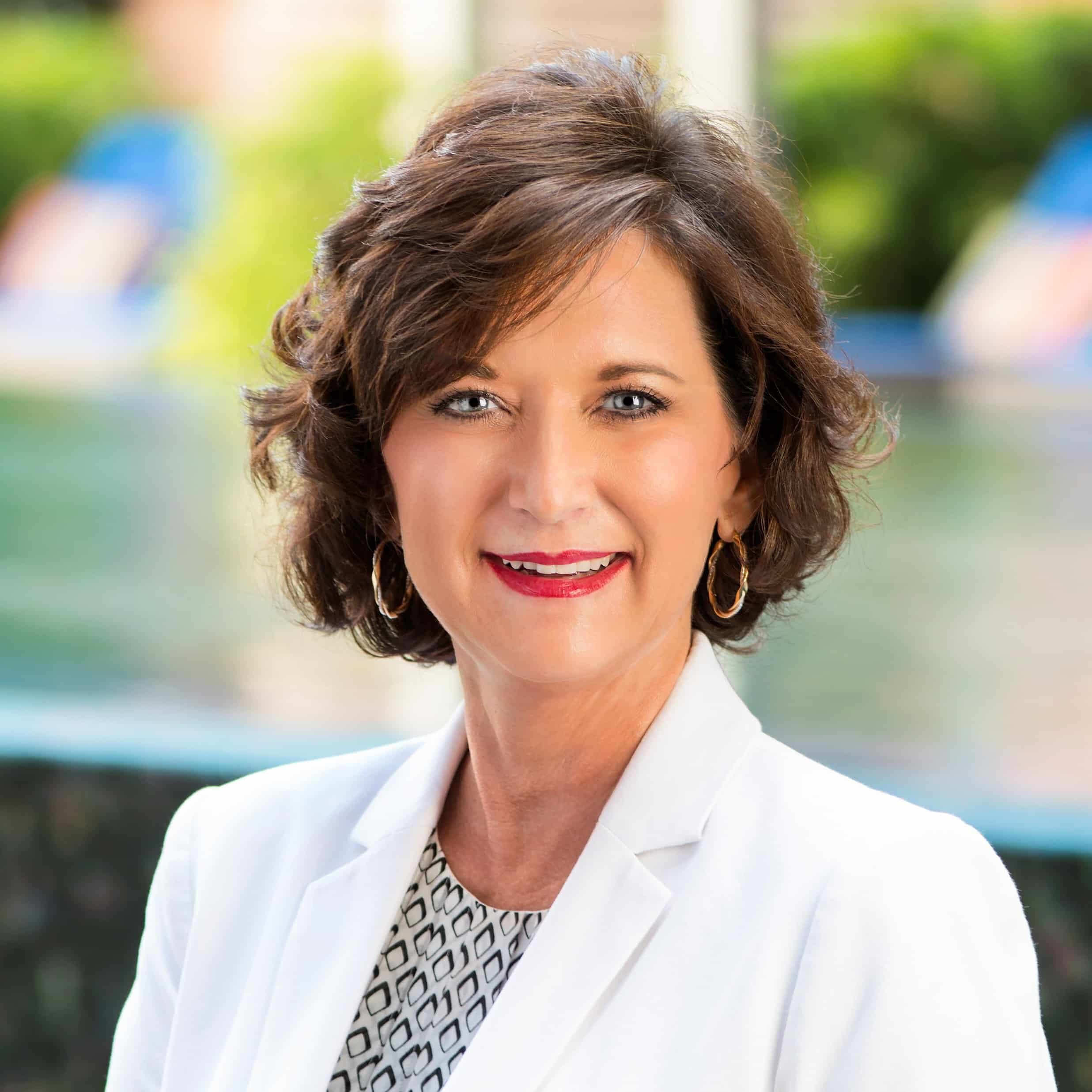

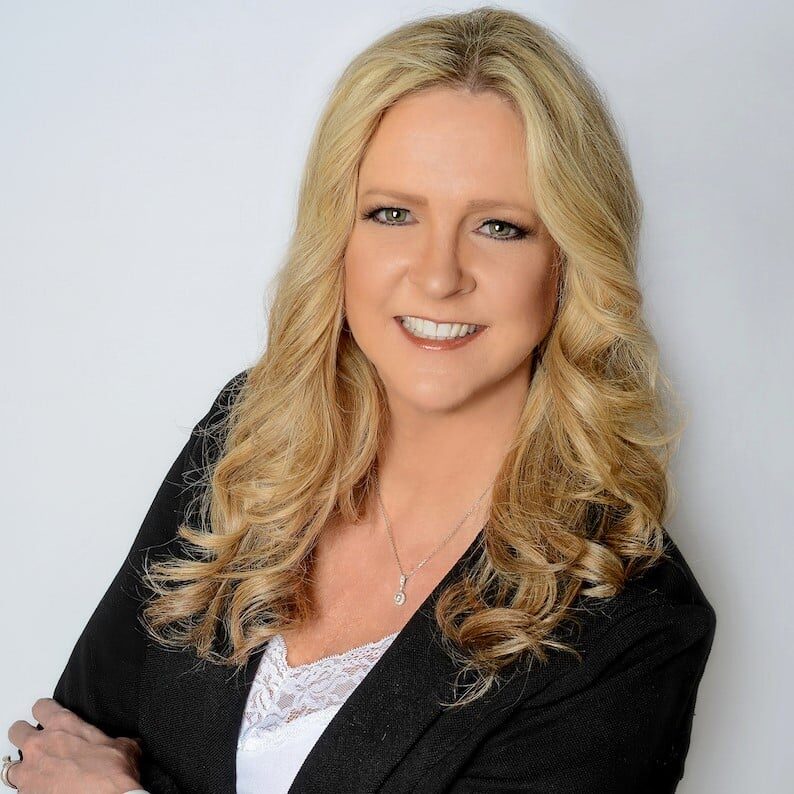
Donna Summers, CPM
President | Gables Residential Management Company
Donna Summers is the President of Gables Residential Management Company, overseeing all aspects of property management, including marketing, training, revenue management, facilities, and operations for a portfolio of over 30,000 multifamily and mixed-use assets.
Donna has nearly 40 years of property management experience. She started her career at Trammell Crow/Gables, where she spent 11 years in a variety of operational roles. She later held key roles at Archstone, Greystar, and First Worthing, where she managed both conventional and student housing projects. She returned to Gables Residential in 2005.
She holds her CPM designation and is a member of the Dallas IREM chapter. She has also served on the Board of Directors and the Legislative Committee for the Apartment Association of Greater Dallas and on the Board of Directors for Apartment Life. Donna currently serves on the Board of Directors for Redemptive Real Estate.
Krisann Gaiko
Senior VP of Content Strategy | Grace Hill
Krisann Gaiko is Grace Hill’s Senior Vice President of Content Strategy. She joined the team in 2018 as Senior Director of Account Management after Grace Hill acquired The Strategic Solution, where she had worked for over 15 years. Krisann has spent her entire career in multifamily, working in various onsite and training roles prior to moving to the supplier partner side.
Krisann is passionate about helping people and consistently ensures that the Grace Hill teams are empowered to serve customers through a consultative approach to employee and property performance. Krisann has a Bachelor of Arts from Texas Tech University. In her free time, she enjoys spending time with her husband, three kids, and two fur babies. To relax, she likes to play the piano and decompress with yoga.
Wendy Rae Walker
Co-Founder | TAM Residential
Wendy Rae Walker is the co-founder of TAM Residential (formerly Topaz Asset Management), a rising leader in managing over 15,000 high-quality conventional and affordable multifamily housing communities.
With over 35 years in the multifamily industry, Wendy Rae began her career as a leasing agent and steadily advanced through the ranks. She is a dynamic speaker and a published author.
Wendy Rae attended the University of Arkansas. She is married to her high school sweetheart, and they have two children and two grandchildren.
She holds CALP and CAPS designations from the National Apartment Association and is a member of the NAA Education Institute faculty.